Russian Blue Cats and Allergies: Myth vs. Fact
Are Russian Blue cats truly hypoallergenic? Explore the science behind their dense double coat, Fel d 1 levels, neutering factors, and dander control.
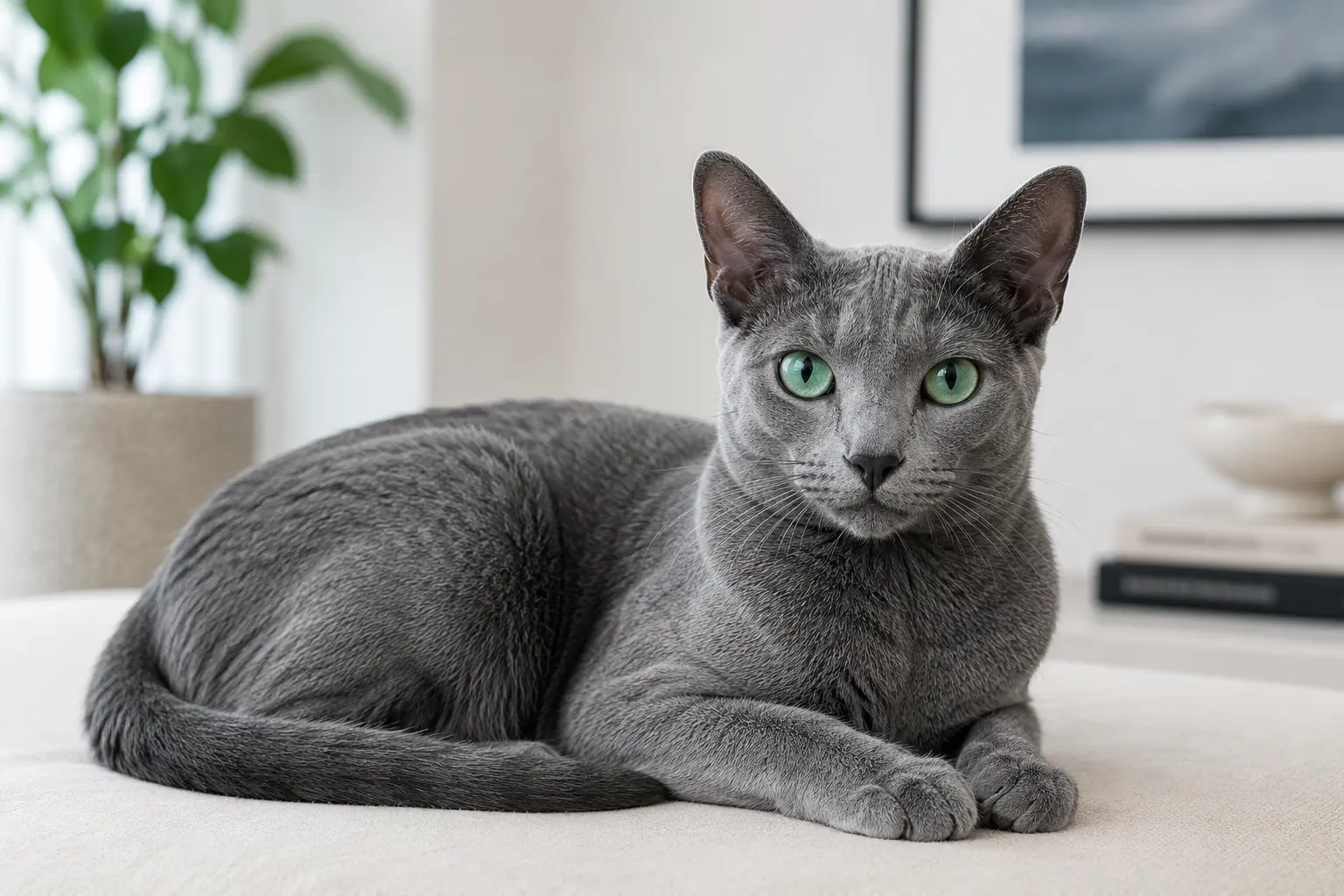
With their shimmering silver-blue coats and intense emerald eyes, Russian Blues are widely considered one of the most beautiful feline breeds. They are also frequently listed on internet forums as one of the best "hypoallergenic" cats for allergy sufferers.
Claims surrounding the Russian Blue range from theories about reduced Fel d 1 protein secretion to assertions that their fur somehow repels dander. But how much of this is backed by feline immunology, and how much is clever marketing?
In this myth-busting guide, we break down the biological facts behind Russian Blue cat allergies, evaluating their coat mechanics, hormonal factors, and real-world tolerance for sensitive cat lovers.
Quick Summary: Russian Blue Hypoallergenic Scorecard
| Diagnostic Trait | Russian Blue Reality | Impact on Allergy Sufferers |
|---|---|---|
| Fel d 1 Secretion | Standard to slightly low | Biological trigger remains present |
| Coat Architecture | Dense, plush double coat | Traps dander against skin; limits airborne flaking |
| Shedding Level | Low to moderate | Fewer allergen-soaked hairs in your environment |
| Hormonal Sensitivity | High response to neutering | Neutered males/females produce significantly less Fel d 1 |
Myth vs. Fact: Decoding the Russian Blue
Myth 1: Russian Blues Do Not Produce the Fel d 1 Protein
Fact: False. All cats, regardless of breed, produce the Fel d 1 protein in their saliva, sebaceous (skin) glands, tear ducts, and perianal glands. While some Siberian lines have documented genetic mutations that drastically reduce this protein, Russian Blues do not possess a universal gene deletion for Fel d 1.
Myth 2: Their Dense Coat Makes Allergies Worse
Fact: False. Counterintuitively, the double coat of a Russian Blue is their primary hypoallergenic defense mechanism. Their fur stands at a 45-degree angle, creating a thick, plush density that effectively traps dander against the skin rather than letting it detach and float freely into household air (read more on cat dander vs. hair allergies).
Myth 3: Neutering a Russian Blue Lowers Allergens
Fact: True! Testosterone directly stimulates sebaceous gland secretion, increasing Fel d 1 output. As noted in our primary allergen breakdown on what causes cat allergies, spaying females and neutering males drastically lowers circulating testosterone and androgen levels, resulting in a measurable drop in baseline Fel d 1 secretion.
The Biological Advantage: The "Dander Trap" Double Coat
The Russian Blue possesses a rare coat structure shared by very few other domestic breeds: a dense, equal-length double coat.
How the Double Coat Protects Your Immune System
- Dander Retention: When a Russian Blue grooms, salivary Fel d 1 dries on the skin and coat. The unusual thickness of their plush undercoat acts as a physical filter, holding dry dander flakes close to the dermis.
- Reduced Airborne Transport: Standard single-coated breeds shed guard hairs that immediately loft dander into the room. A Russian Blue's coat minimizes airborne particulates, keeping the allergen density lower in your breathing zone.
- Low Shedding Volume: Russian Blues are remarkably low-shedding outside of seasonal coat transitions (spring and autumn). Less loose hair on your furniture means fewer contact points for allergic reactions.
Hormones, Gender, and Fel d 1 Production
When selecting a Russian Blue kitten specifically to manage allergies, biological gender and surgical status play a massive role in your overall allergen exposure:
- Intact Males (Highest Risk): Unneutered male Russian Blues produce the highest concentration of Fel d 1 due to elevated testosterone levels driving skin oil secretion.
- Neutered Males (Low Risk): Once neutered, a male's allergen production drops dramatically, often matching or undercutting female baselines.
- Spayed Females (Lowest Baseline): Females naturally produce lower baseline levels of androgenic hormones, making spayed female Russian Blues an ideal candidate for allergy-sensitive homes.
How to Test Your Sensitivity to Russian Blues
Because individual immune thresholds vary wildly, you should never adopt a Russian Blue based purely on breed statistics. Follow these steps to verify your compatibility:
- Conduct an In-Person Breeder Visit: Spend 2 hours in a cattery with adult Russian Blues. Interact directly with spayed and neutered adult cats to measure your respiratory and cutaneous response.
- Perform a T-Shirt Test: Ask the breeder to rub a clean cotton cloth or t-shirt over their adult Russian Blues and seal it in a plastic bag. Sleep near the cloth at home for 24 to 48 hours to monitor for delayed symptoms like sneezing, itchy eyes, or congestion.
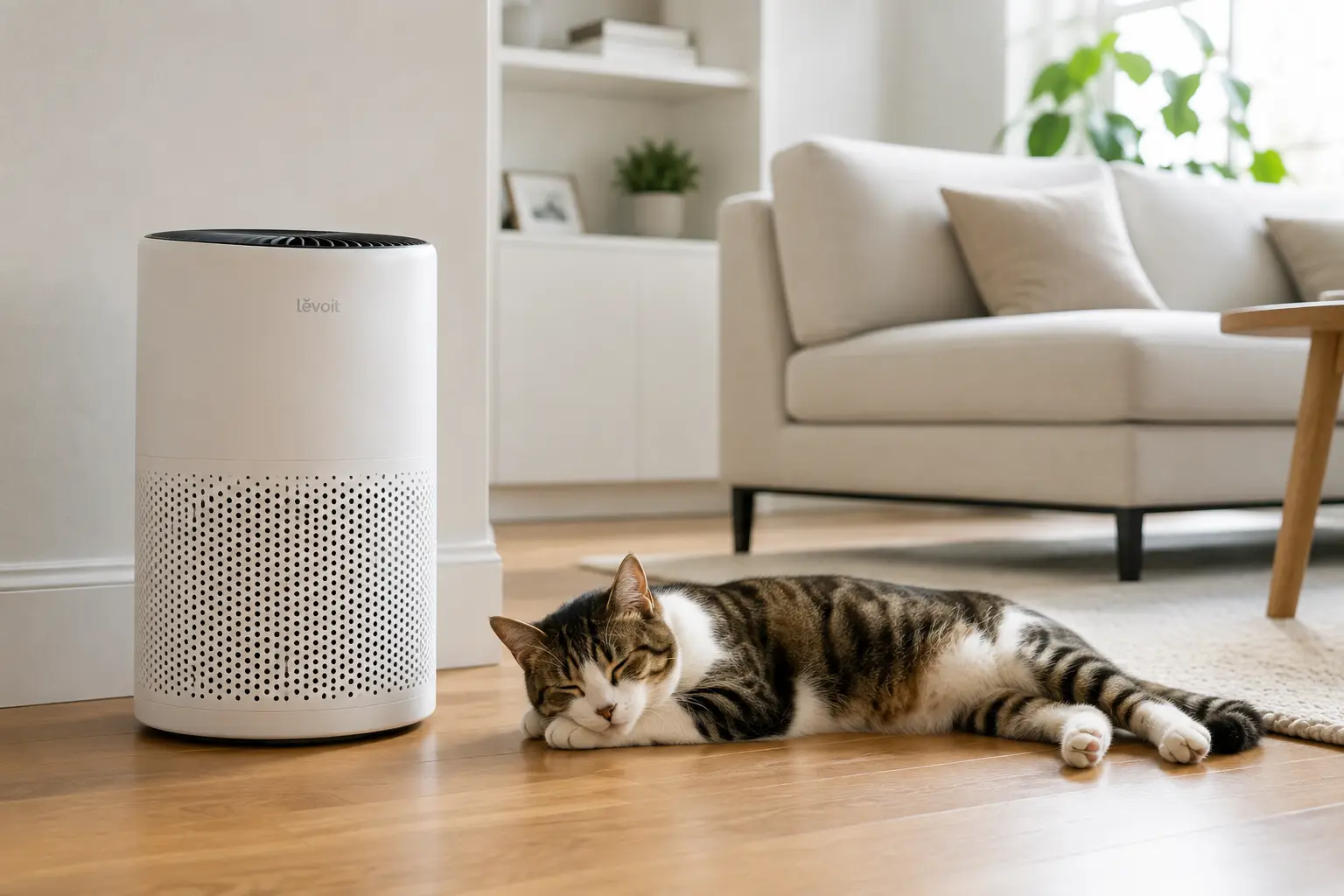
- Rule Out Cross-Reactants: Ensure your symptoms aren't being exacerbated by dust mites or pollen trapped in the cat's coat by maintaining dedicated HEPA filtration in your home during the trial.
Frequently Asked Questions
Are Russian Blue cats 100% hypoallergenic?
No. No cat breed is completely allergy-free. Russian Blues produce standard-to-slightly-lower levels of the Fel d 1 protein, but their thick double coat helps prevent dander from spreading into the air as easily as it does with other breeds.
Do Russian Blues shed a lot?
No. Russian Blues are considered low-to-moderate shedders. Their short, plush fur stays largely intact, though they will shed their undercoat during seasonal changes in the spring and fall.
Is a Russian Blue better for allergies than a Siberian?
For severe Fel d 1 sensitivities, Siberian cats are often better because many Siberians possess a biological mutation that lowers protein production in their saliva. However, for mild-to-moderate allergy sufferers who prefer a short-haired, low-maintenance breed, a Russian Blue is an outstanding choice.
Final Summary
The Russian Blue's status as a hypoallergenic cat is partly biological and largely mechanical:
- Their plush double coat traps dander near the skin, preventing heavy airborne contamination.
- They are low-shedding, which keeps allergen levels on furniture and clothing minimal.
- Neutered males and spayed females offer the lowest baseline allergen output.
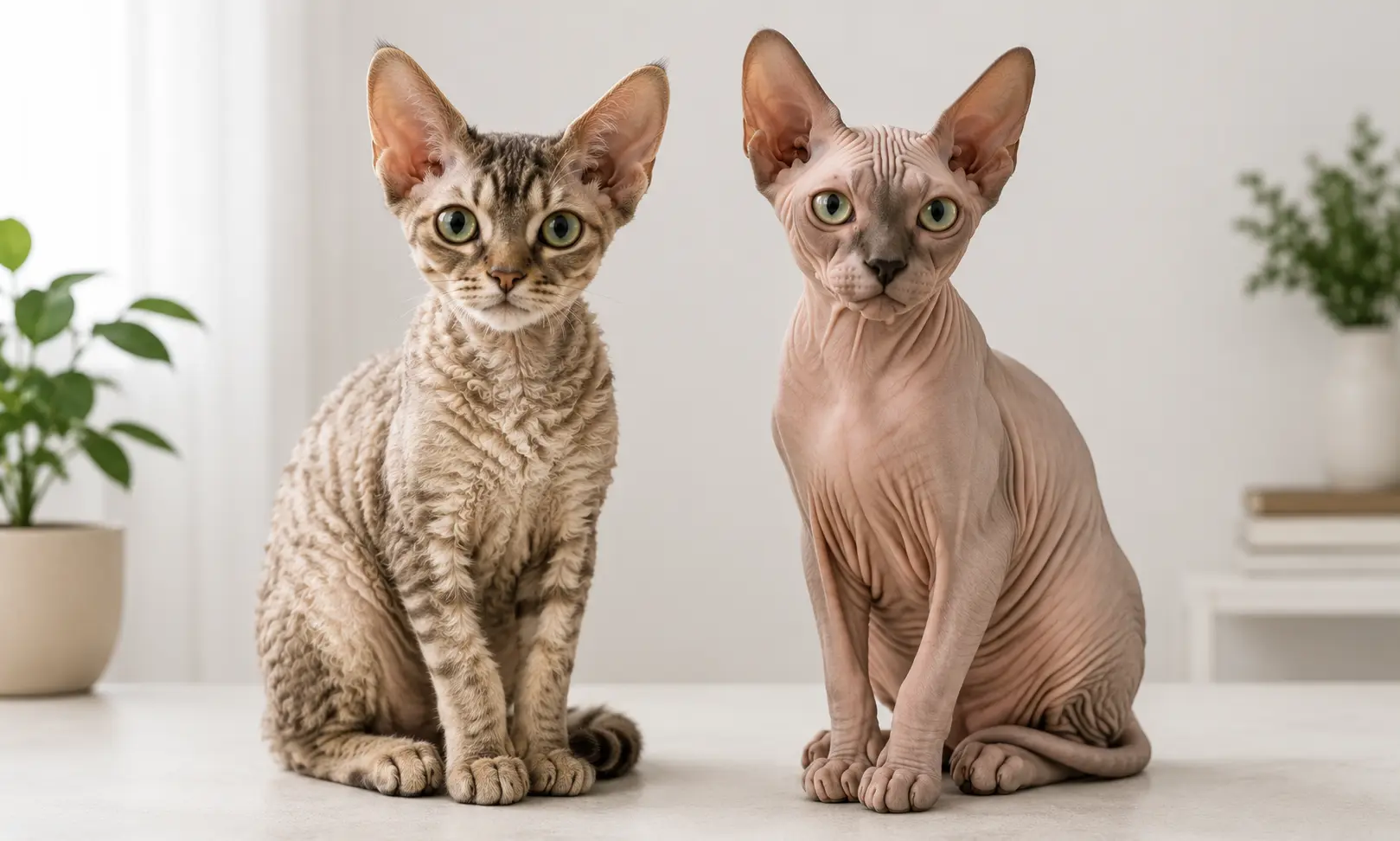
To compare the Russian Blue against other low-allergen options like the Balinese, Sphynx, and Devon Rex, read our full review of the best hypoallergenic cat breeds.