What Causes Cat Allergies? The Scientific Reality Behind Fel d 1
Discover the real root causes of cat allergies. Learn about Fel d 1, how cat dander and saliva trigger immune reactions, and effective relief strategies.

If entering a room with a cat instantly triggers sneezing, watery eyes, or an itchy throat, you are far from alone. Cat allergies are nearly twice as common as dog allergies, affecting roughly 10% to 20% of the adult population worldwide.
However, despite popular belief, cat hair itself is not what causes cat allergies.
To effectively manage or minimize allergic reactions around felines, you must understand the true root cause: specific microscopic proteins produced naturally inside a cat’s body. Here is a deep dive into the science of cat allergens, how they spread throughout your home, and why your immune system reacts so strongly.
The Primary Trigger: Understanding Fel d 1
While cats produce at least eight distinct allergenic proteins (designated scientifically as Fel d 1 through Fel d 8), Fel d 1 is responsible for up to 95% of all human cat allergy responses.
Fel d 1 is a small, sticky protein produced primarily in a cat's:
- Sebaceous (skin) glands
- Salivary glands
- Lacrimal (eye) and anal glands
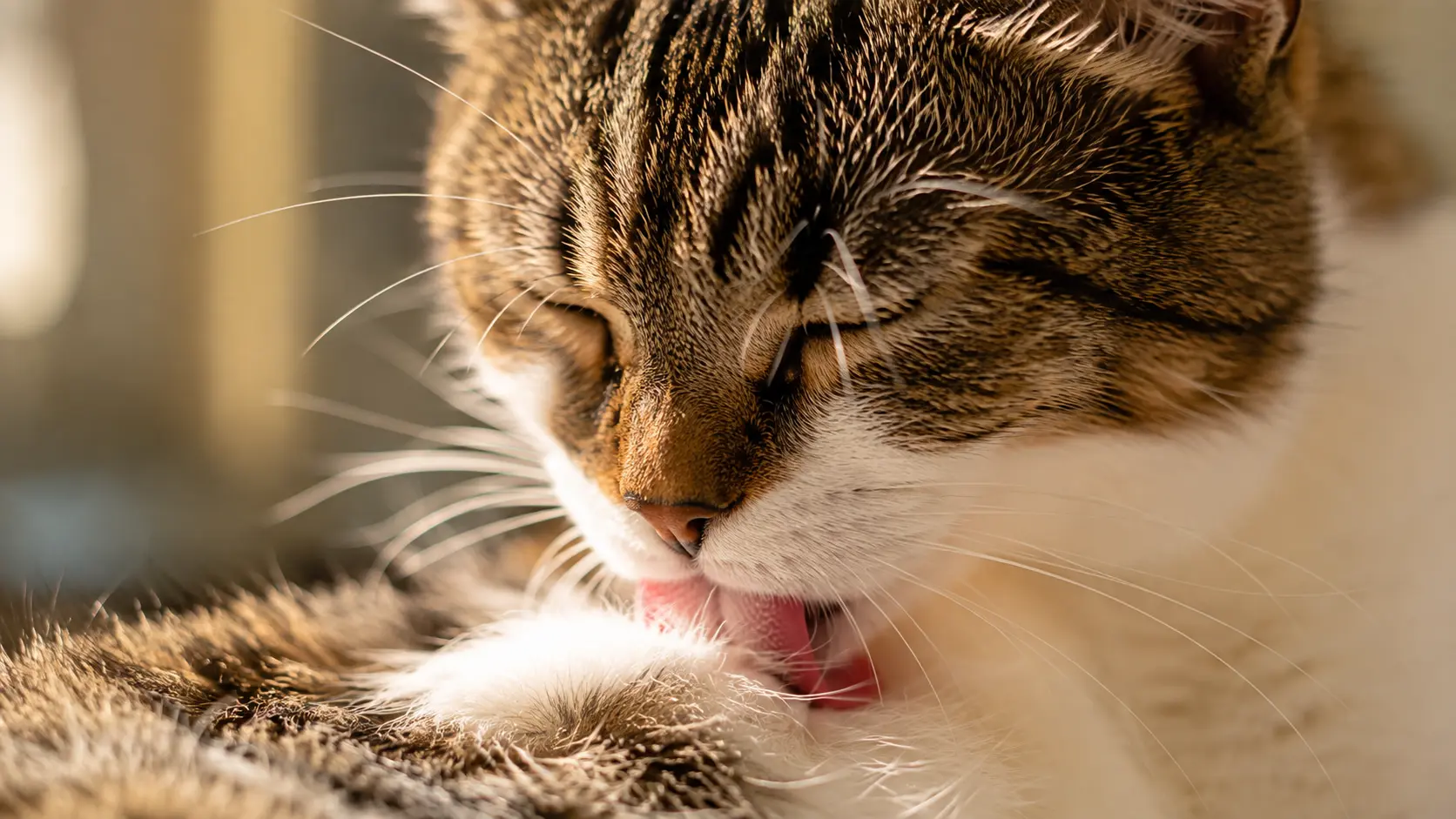
When a cat grooms itself, it coats its fur in saliva packed with Fel d 1. As the saliva dries, the protein binds to microscopic flakes of shed skin (dander) and loose hairs.
Secondary Cat Allergens to Know
While Fel d 1 causes the vast majority of symptoms, other secondary proteins can trigger reactions in sensitized individuals:
- Fel d 2 (Serum Albumin): A major plasma protein that can occasionally cross-react with pork allergies (known as pork-cat syndrome).
- Fel d 4 (Lipocalin): Found predominantly in submandibular saliva, contributing significantly to asthma flare-ups in allergic individuals.
- Fel d 7 (Lipocalin): Secreted in tongue tissue and saliva, often working alongside Fel d 4 to trigger upper respiratory symptoms.
How Cat Dander Spreads and Persists Indoors
Understanding why cat allergens are so pervasive comes down to physical particle size and aerodynamic behavior.
- Microscopic Particle Size: Fel d 1 particles measure around 2 to 10 microns in diameter—up to 10 times smaller than a standard dust mite particle. Because they are exceptionally lightweight, they remain suspended in household air for hours or even days after being disturbed.
- High Sticky Affinity: Fel d 1 particles carry a molecular structure that allows them to cling tenaciously to clothing, upholstery, carpets, drapes, and smooth walls.
- Passive Transportation: You do not need to own a cat to be exposed to cat allergens. Public spaces, schools, transit systems, and office buildings frequently contain detectable levels of Fel d 1 carried on cat owners' clothing.
Why Your Immune System Overreacts
An allergic reaction is essentially a case of mistaken identity by your body's defense network.
When an allergic individual inhales airborne dander or comes into direct contact with a cat:
- Sensitization: The immune system misidentifies the harmless Fel d 1 protein as an invading pathogen (like a virus or dangerous bacteria).
- Antibody Production: The body responds by creating Immunoglobulin E (IgE) antibodies specifically targeted at Fel d 1.
- Mast Cell Activation: Upon subsequent exposure, Fel d 1 binds to IgE antibodies attached to mast cells in your nasal passages, eyes, and lungs.
- Histamine Release: Mast cells burst open (degranulate), releasing histamines, leukotrienes, and inflammatory chemicals into your tissue.
This inflammatory cascade produces signature allergy symptoms: sneezing fits, nasal congestion, coughing, wheezing, red itchy eyes, and localized skin hives.
Are All Cats Equally Allergenic?
No two cats produce the exact same level of Fel d 1. Several biological and physiological factors influence allergen output:
| Factor | Impact on Allergen Output |
|---|---|
| Gender | Intact male cats produce the highest concentrations of Fel d 1 due to testosterone driving skin secretions. |
| Neutering Status | Neutered male cats produce significantly lower levels of Fel d 1 than intact males. |
| Age | Kittens produce lower baseline protein levels than adult cats. |
| Coat Color | Popular myths claim dark cats cause more allergies, but scientific studies show no consistent correlation between coat color and Fel d 1 levels. |
Note on "Hypoallergenic" Breeds: No cat breed is 100% hypoallergenic. Breeds like the Siberian, Balinese, Sphynx, or Cornish Rex may produce lower baseline levels of Fel d 1 or shed less hair, but all felines produce allergenic proteins to some degree.
Science-Backed Ways to Lower Cat Allergen Levels
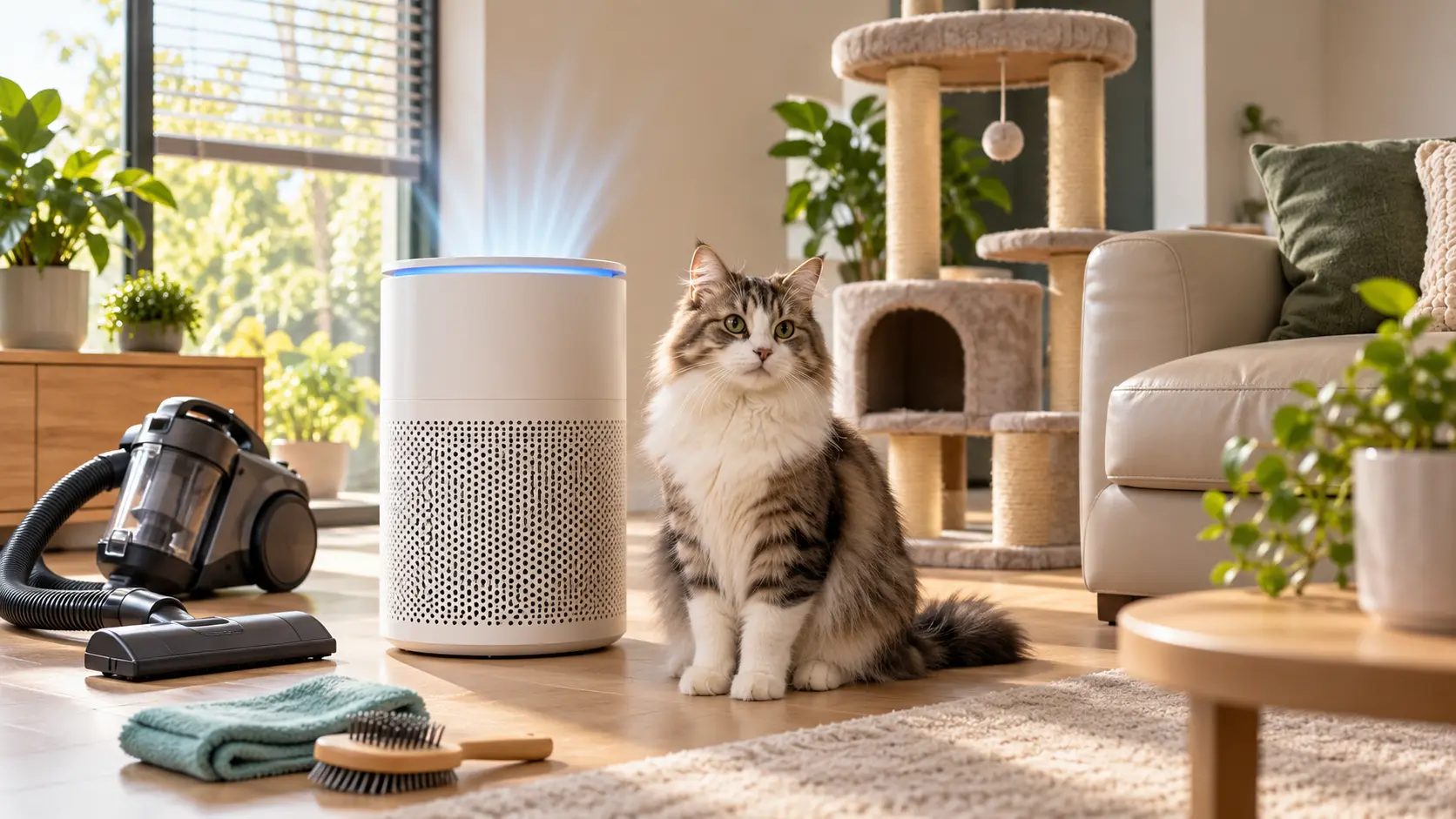
If you love cats but suffer from mild to moderate sensitivity, several targeted strategies can dramatically lower allergen density in your living space:
1. Neutralize Fel d 1 at the Source (Dietary Interventions)
Specialized commercial diets incorporate anti-Fel d 1 IgY antibodies derived from egg yolks. When cats eat this food, the antibody binds to and neutralizes active Fel d 1 in their mouth. Over 3 to 10 weeks of continuous feeding, this can lower active salivary allergens by up to 47%.
2. Deploy High-Efficiency HEPA Filtration
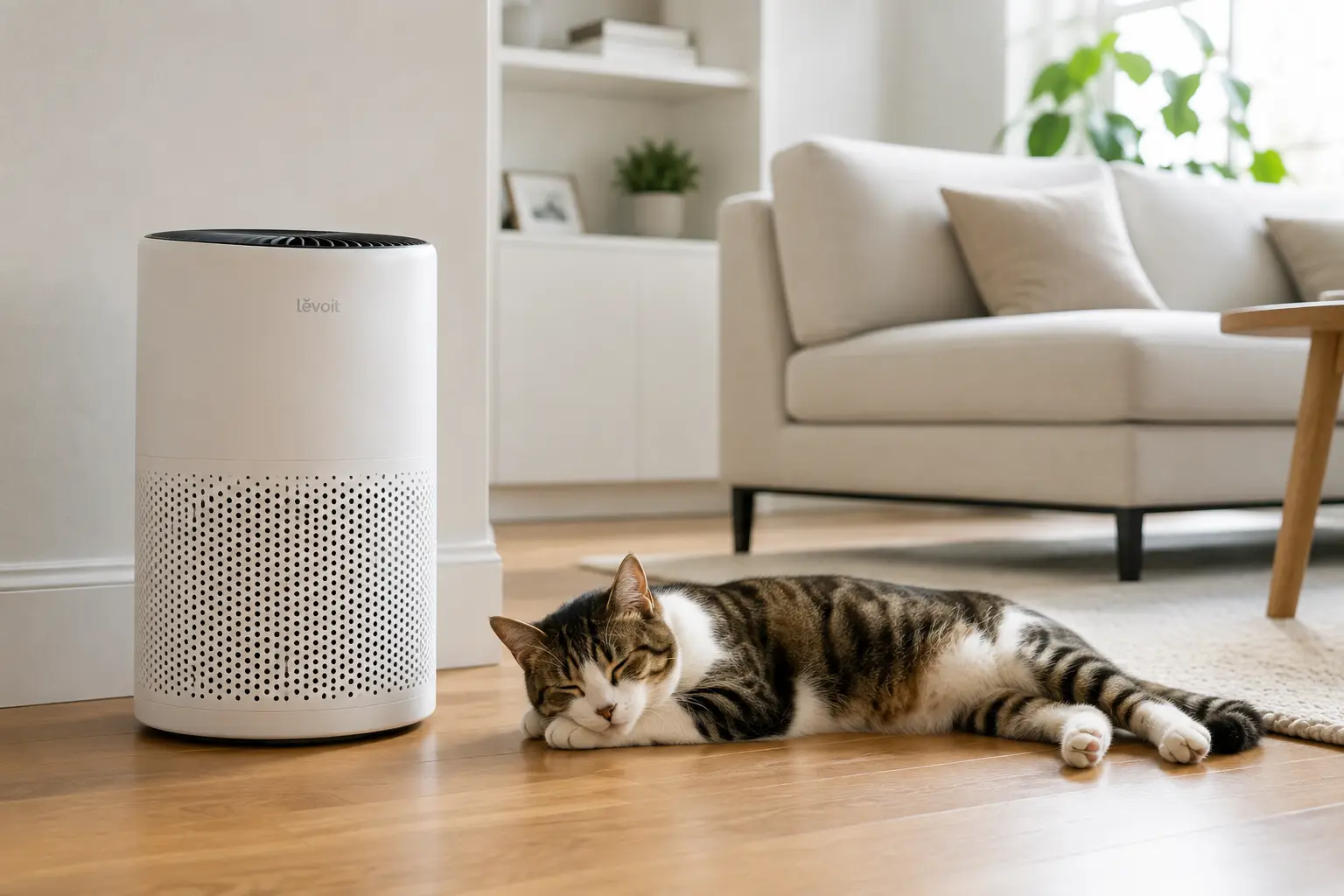
Place standalone True HEPA air purifiers in high-occupancy rooms (especially the bedroom). HEPA filters trap 99.97% of airborne particles down to 0.3 microns, effectively scrubbing floating dander particles from your indoor air.
3. Establish an Allergen-Free Bedroom
Keep your bedroom completely off-limits to cats at all times. Because you spend 7 to 8 hours sleeping in this space, keeping it free of dander gives your immune system a crucial window to recover.
4. Implement Strategic Cleaning Protocols
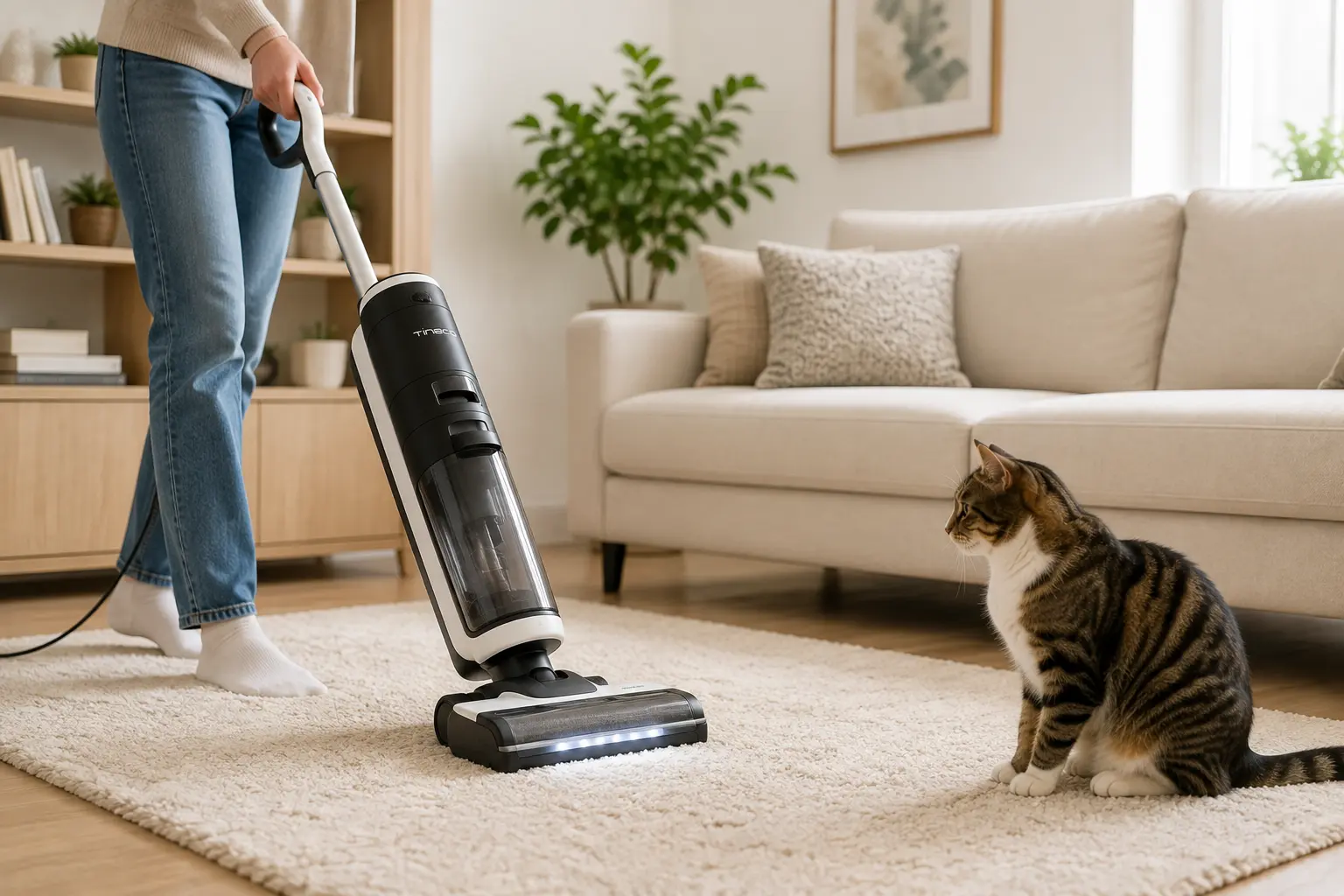
- Vacuum twice weekly using a vacuum equipped with a sealed HEPA exhaust filter.
- Use damp microfiber cloths to wipe down hard surfaces—dry dusting simply stirs settled dander back into the air.
- Wash throw blankets, bedding, and slipcovers frequently in hot water (130°F / 54°C or higher).
Key Takeaways
Cat allergies are not caused by hair, but by potent protein molecules—primarily Fel d 1—secreted in cat skin oils, saliva, and tears. Because these microscopic particles float easily and stick to everyday household surfaces, managing cat allergies effectively requires a combination of air filtration, strategic cleaning habits, and allergen-neutralizing diets.