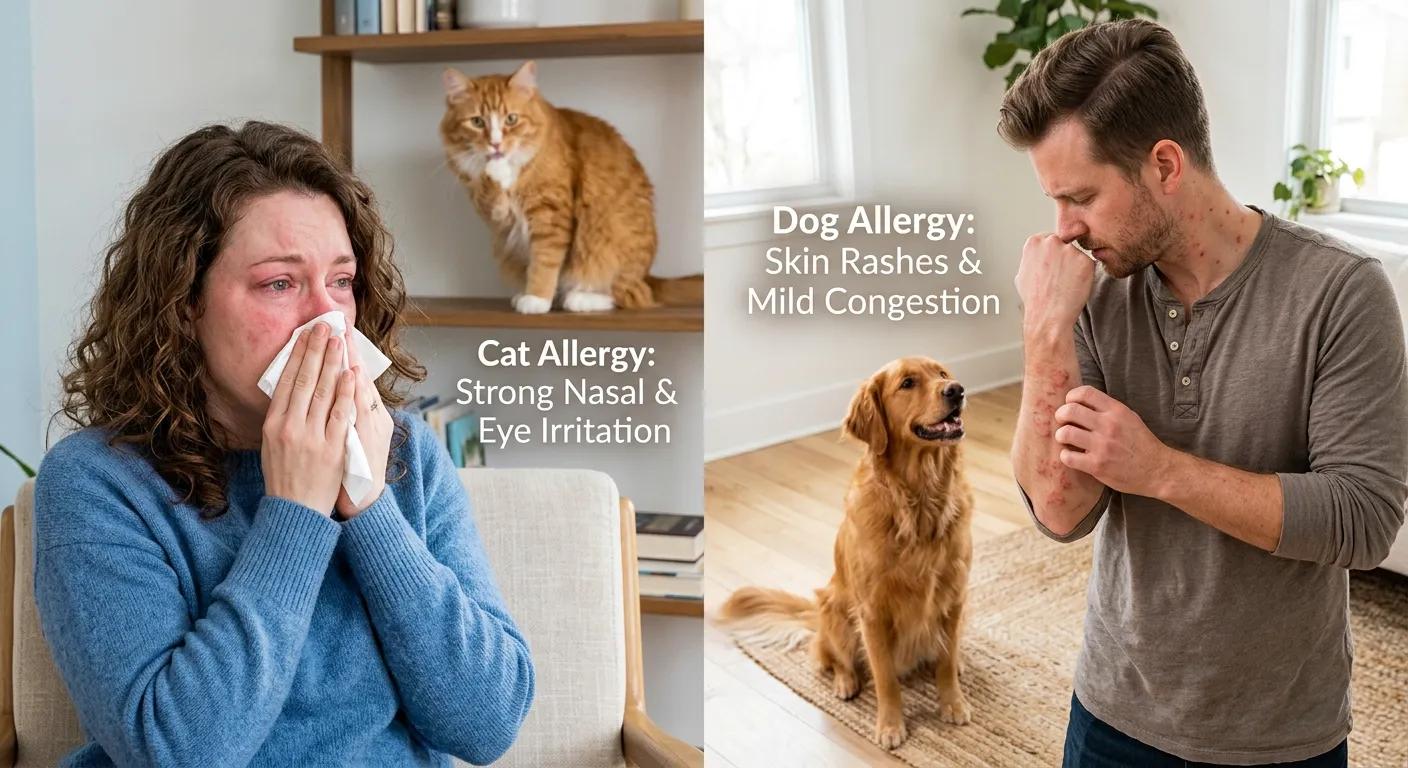
Cat Allergies in Kids and Babies: What Parents Should Know
Worried about cat allergies and your child? Signs to watch for, when to see a pediatrician or allergist, and practical home steps.
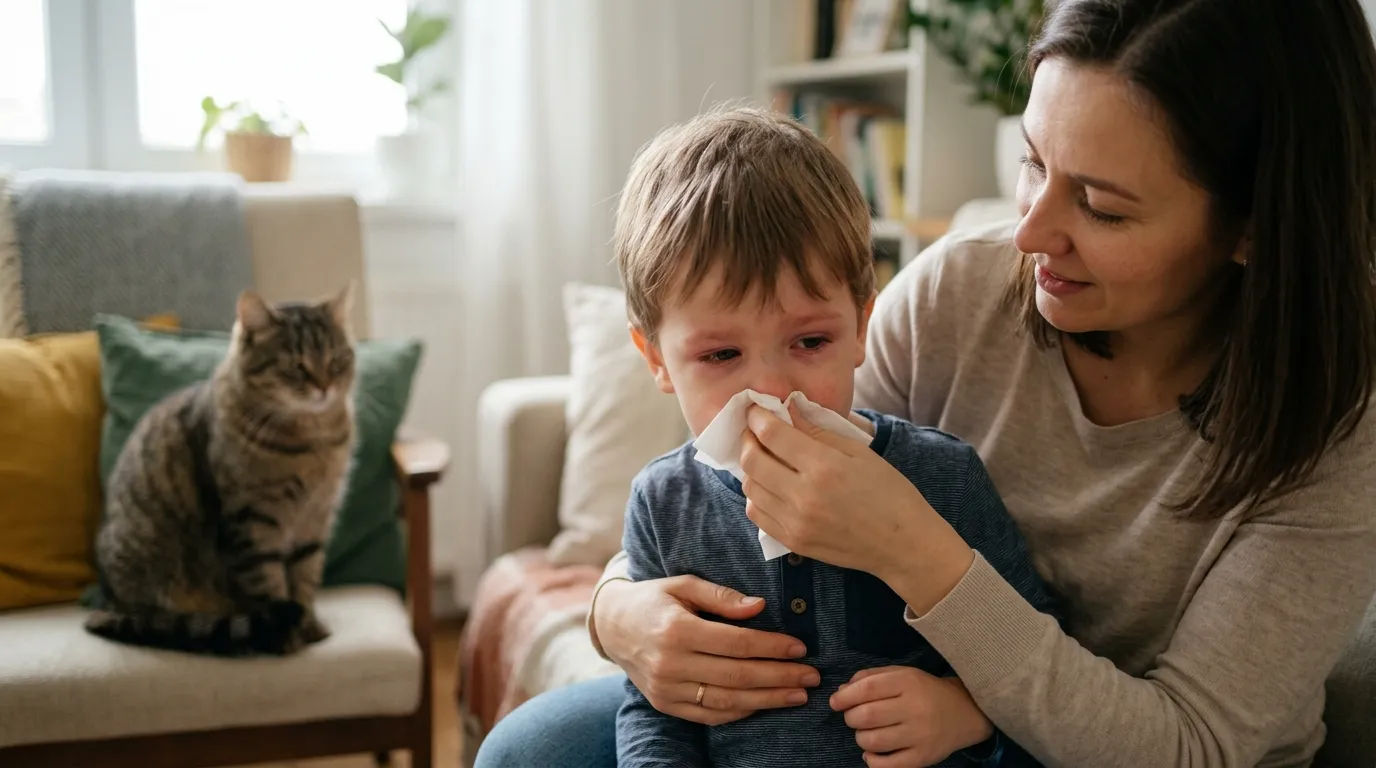
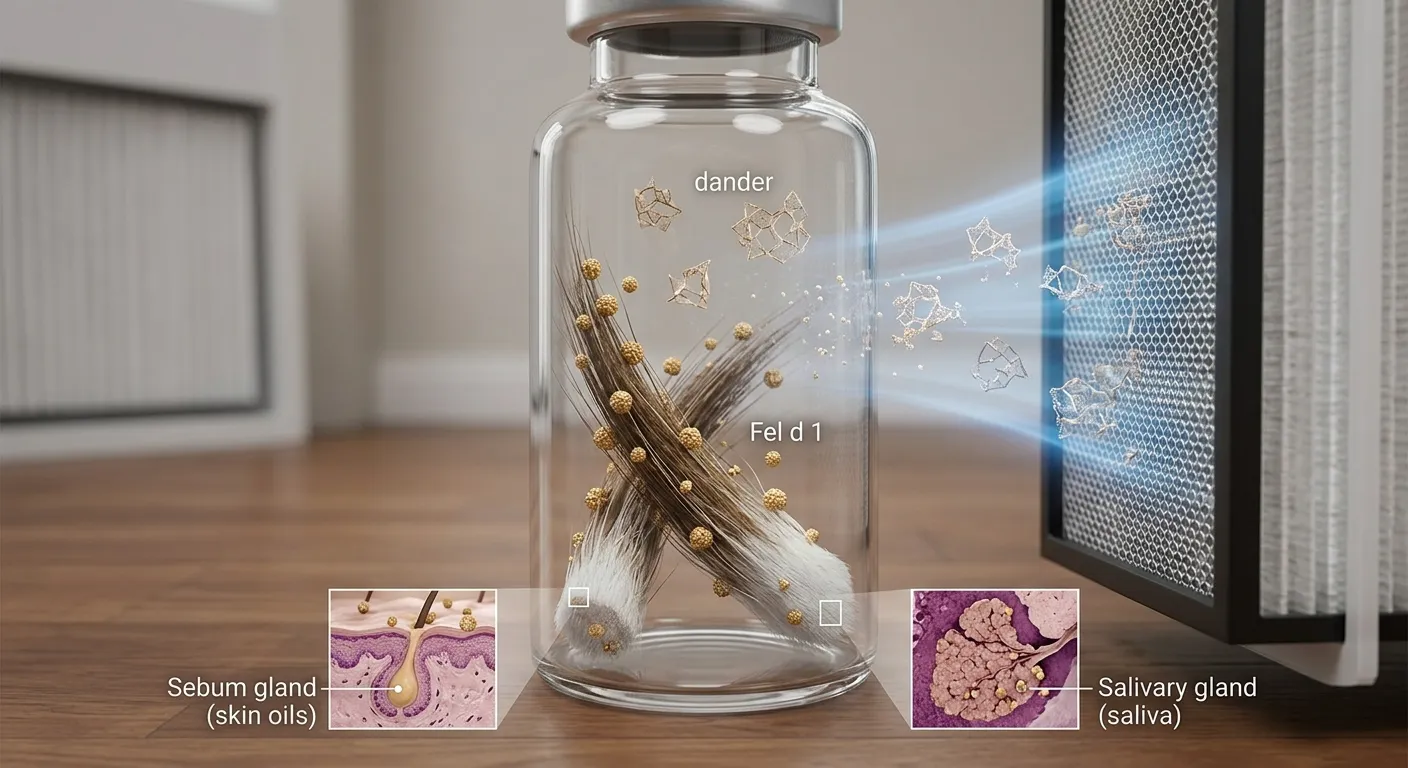
If you are researching cat allergy in babies and kids, the direct answer is that while children and infants can develop cat allergies, many early symptoms mimic standard viral colds, making professional pediatric evaluation essential. Feline allergies are triggered by the microscopic Fel d 1 protein found in cat saliva and dander, and recognizing the difference between a passing illness and an underlying pet sensitivity is the first step toward keeping your child healthy and comfortable.
Medical Disclaimer: The information in this article is for educational purposes only and does not constitute pediatric medical advice, diagnosis, or treatment. Always consult your pediatrician or a board-certified pediatric allergist regarding your child's symptoms and health decisions.
Watching your child struggle with chronic runny noses, rubbing red eyes, or nighttime coughing is distressing for any parent—especially when the family cat is a beloved household companion. Navigating childhood pet allergies requires balancing your child's respiratory safety with compassionate, realistic family routines.
In this guide, we break down common allergy signs in babies and children, highlight red flags that demand urgent medical attention, review what research says about early pet exposure, explain pediatric testing methods, and provide practical home guidance.
Quick Summary: Childhood Cat Allergy Signs vs. Colds
| Feature / Sign | Common Viral Cold | Cat Allergy Reaction |
|---|---|---|
| Symptom Duration | Typically resolves in 7 to 10 days | Persists for weeks or months as long as the cat is present |
| Nasal Discharge | Often thick, cloudy, yellow, or greenish | Consistently thin, clear, and watery |
| Fever Presence | Common in young infants and toddlers | Never caused by allergies alone (allergies do not cause fever) |
| Itching (Eyes, Nose, Skin) | Rare (usually sore throat or body aches) | Hallmark sign; frequent eye rubbing and "allergic salute" nose wiping |
| Skin Flare-ups (Eczema) | Unrelated to viral infection | Can trigger or worsen atopic dermatitis patches on cheeks and folds |
Common Signs of Cat Allergies in Children and Babies
Because infants and toddlers cannot clearly describe what they are feeling, parents must watch for behavioral and physical cues:
1. In Infants and Babies (Under 12 Months)
True airborne environmental allergies are less common in the first six months of life because sensitization to airborne proteins takes time to develop. However, infants exposed to heavy indoor dander can exhibit:
- Eczema (Atopic Dermatitis) Flares: Red, dry, scaly patches on the cheeks, scalp, elbows, and behind the knees that worsen after direct contact with pet-trapping blankets.
- Persistent Congestion and Snorting: Chronic noisy nasal breathing without a fever that does not clear after typical cold timelines.
- Eye Irritation: Red conjunctiva, watery discharge, and frequent face rubbing.
2. In Toddlers and Older Children
As children grow and their immune systems mature, classic respiratory symptoms become more pronounced:
- The "Allergic Salute": Upward rubbing of the nose with the palm of the hand to relieve itching, which can eventually create a faint horizontal crease across the bridge of the nose.
- Allergic Shiners: Dark, bluish-purple circles under the eyes caused by sluggish venous blood flow from chronic nasal congestion.
- Chronic Nighttime Coughing: Dry, persistent coughing that worsens at night when settled dander on bedding is inhaled.
To review the full spectrum of physical reactions, explore our clinical guide to cat allergy symptoms.
Red Flags: When to Seek Immediate Emergency Care
While most pet allergy symptoms are mild to moderate, feline dander can trigger severe lower airway bronchospasms in children with underlying reactive airway disease or asthma.
+--------------------------------------------------------------------------+
|                  PEDIATRIC RESPIRATORY EMERGENCY RED FLAGS               |
|                                                                          |
|  [CALL EMERGENCY SERVICES OR SEEK IMMEDIATE MEDICAL CARE IF]:           |
|  - Rapid, labored breathing or grunting with each breath                 |
|  - Intercostal retractions (skin sucking in between or under the ribs)   |
|  - Flaring nostrils while breathing in                                    |
|  - Audible wheezing, whistling, or stridor that does not resolve         |
|  - Pale, grey, or bluish skin, lips, or fingernail beds                  |
|  - Swelling of the lips, tongue, face, or throat                         |
+--------------------------------------------------------------------------+
If your child exhibits any of these signs, seek emergency medical attention immediately. Never wait to see if an acute breathing difficulty resolves on its own.
Early Pet Exposure and Allergy Risk: What Science Says
Parents frequently encounter conflicting claims online regarding pets and early childhood development. Some sources assert that owning a cat prevents allergies, while others claim it causes them.
The scientific reality, as evaluated by organizations like the American Academy of Pediatrics (AAP), the American Academy of Allergy, Asthma & Immunology (AAAAI), and the National Health Service (NHS), is that evidence remains mixed:
- The Hygiene Hypothesis: Several large epidemiological birth cohort studies suggest that high exposure to animal endotoxins and pet dander during the first year of life may help train an infant's developing immune system, potentially lowering the statistical risk of developing general atopic sensitivities later in childhood.
- The Genetic Exception: However, in children with an established strong family history of asthma, severe eczema, or bilateral parental pet allergies, heavy early exposure does not consistently prevent sensitization and may accelerate the onset of allergic rhinitis or asthma.
Because every child's genetic background is unique, there is no universal rule that early exposure guarantees lifelong immunity.
How and When Young Children Are Clinically Tested
If your child suffers from chronic respiratory symptoms or eczema, guessing the cause creates unnecessary anxiety. A pediatric allergist can perform precise testing:
1. When to Test
Testing can be performed at any age—including on infants—if symptoms warrant it. Your pediatrician will typically recommend testing if symptoms are chronic, interfere with sleep, or require frequent medical visits.
2. Diagnostic Methods
As detailed in our comprehensive guide to cat allergy testing, two standard tools are used:
- Specific IgE Blood Test: A standard blood draw that measures the exact concentration of circulating IgE antibodies against Fel d 1. This is often preferred for infants or children with severe active eczema where skin testing cannot be performed.
- Skin-Prick Testing (SPT): Gently placing tiny droplets of allergen extract on the back or forearm. A raised hive appearing within 15 minutes indicates IgE sensitization.
Practical Home Steps: Creating a Safe Environment
If your child is diagnosed with a cat allergy, implementing proactive environmental controls can dramatically lower their symptom burden:
1. Establish an Allergen-Free Nursery or Bedroom
Your child's bedroom must be a permanent, strict cat-free zone:
- Keep the bedroom door closed at all times.
- Never allow the cat to nap on the child's crib, mattress, or play rugs.
- Encase mattresses and pillows in zippered allergen-barrier covers to seal out settled dander.
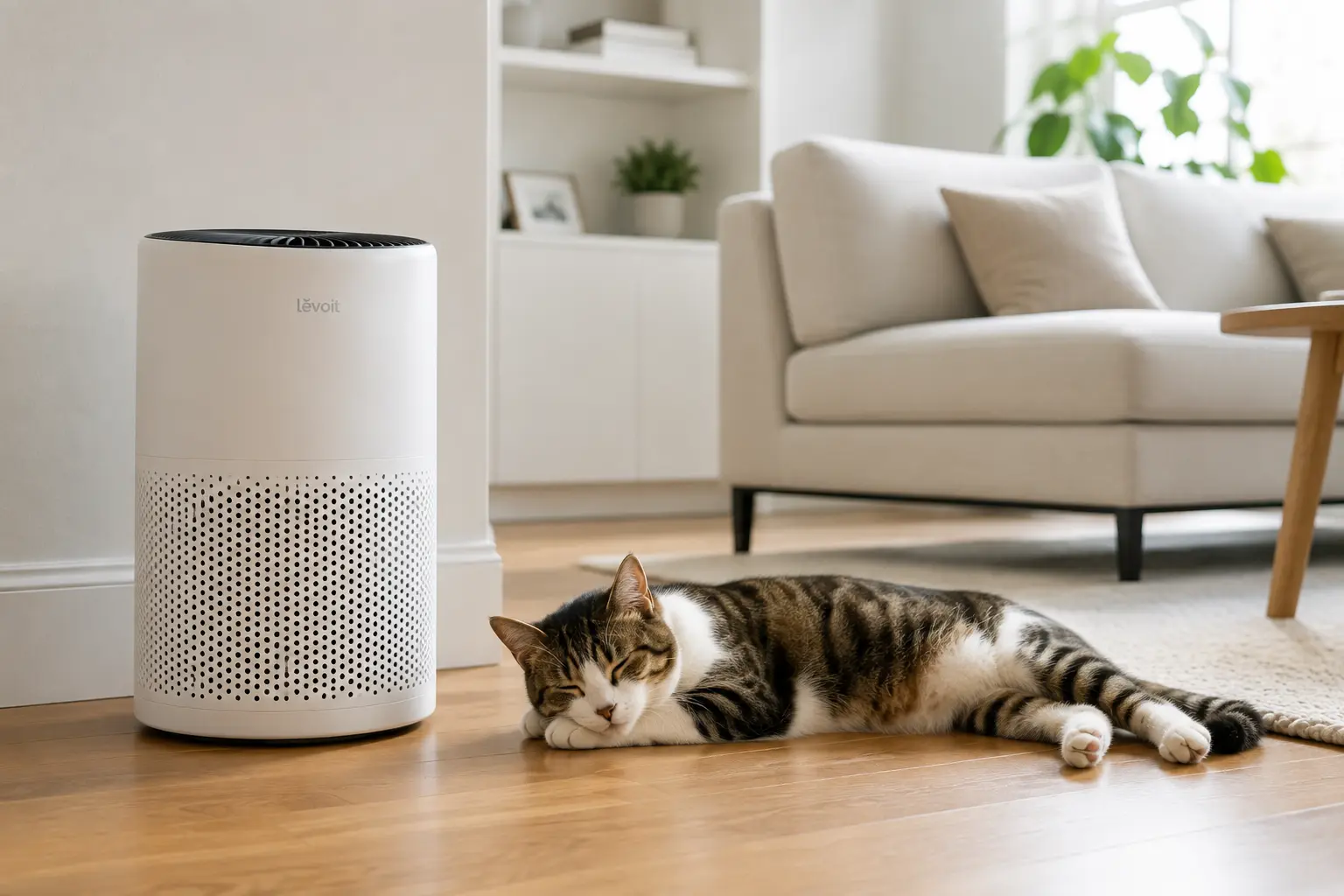
2. Deploy True HEPA Air Purification
Because microscopic dander particles under 5 microns linger in room air for hours, running a True HEPA air purifier in your child's bedroom and main play area captures at least 99.97% of airborne particles down to 0.3 microns.
3. Implement High-Temperature Laundering
Wash your child's sheets, blankets, and plush toys regularly in water heated to at least 130°F (54°C) to denature secretoglobin proteins and dissolve water-soluble Fel d 1.
Follow our complete household blueprint on how to reduce cat allergens at home.
Living with a Cat and a Symptomatic Child
Finding out that your child is allergic to the family cat is an emotional challenge. Some well-meaning acquaintances may immediately tell you to rehome the pet, while others may tell you to ignore the symptoms.
The right decision is highly personal and belongs entirely to your family and your pediatrician or pediatric allergist:
- For Mild Symptoms: If your child experiences mild, occasional nasal sniffling that responds well to bedroom isolation, air filtration, and occasional pediatrician-approved antihistamines, many families successfully cohabitate with their pets for years.
- For Severe Allergic Asthma: If your child suffers from frequent asthma exacerbations, emergency room visits, or compromised lung function, maintaining a high-allergen environment poses serious long-term medical risks. In these cases, medical specialists often recommend finding a loving alternative home for the pet.
If you are currently considering adopting a cat, review our guide on how to test a cat before adopting, and explore broader cohabitation strategies in can I keep my cat if I'm allergic.
Key Takeaways
- Allergies Mimic Colds: Cat allergies cause clear, watery discharge, itchy eyes, and persistent coughing that lasts for weeks without a fever, unlike short-lived viral colds.
- Watch for Emergency Red Flags: Difficulty breathing, intercostal rib retractions, and persistent wheezing require immediate emergency medical care.
- Early Exposure Evidence Is Mixed: While early exposure may promote tolerance in some infants, children with strong family histories of atopy remain at risk for sensitization.
- Testing Is Safe at Any Age: Pediatric allergists can accurately diagnose cat allergies in infants and young children using blood or skin-prick testing.
- Collaborate with Your Doctor: Decisions regarding home management or pet ownership should be made thoughtfully with your pediatrician based on your child's specific medical safety.
Sources
- American Academy of Pediatrics (AAP). "Allergies in Children: Symptoms, Diagnosis, and Management."
- American Academy of Allergy, Asthma & Immunology (AAAAI). "Pediatric Asthma, Pet Exposure, and Allergic Sensitization."
- National Health Service (NHS). "Allergies in Babies and Children: Signs and Diagnosis."
- Bonnet, B., et al. (2018). "An update on molecular cat allergens: Fel d 1 and beyond." Allergy, Asthma & Clinical Immunology, 14, 7.
- Custovic, A., et al. (1998). "Distribution and aerodynamic characteristics of cat allergen Fel d 1 in homes." Journal of Allergy and Clinical Immunology, 102(4), 607–612.