Best Hypoallergenic Cat Breeds: Science, Myths, and Reality
Discover the best hypoallergenic cat breeds for allergy sufferers. Learn the science behind low Fel d 1 cats like Siberians, Balinese, and Russian Blues.
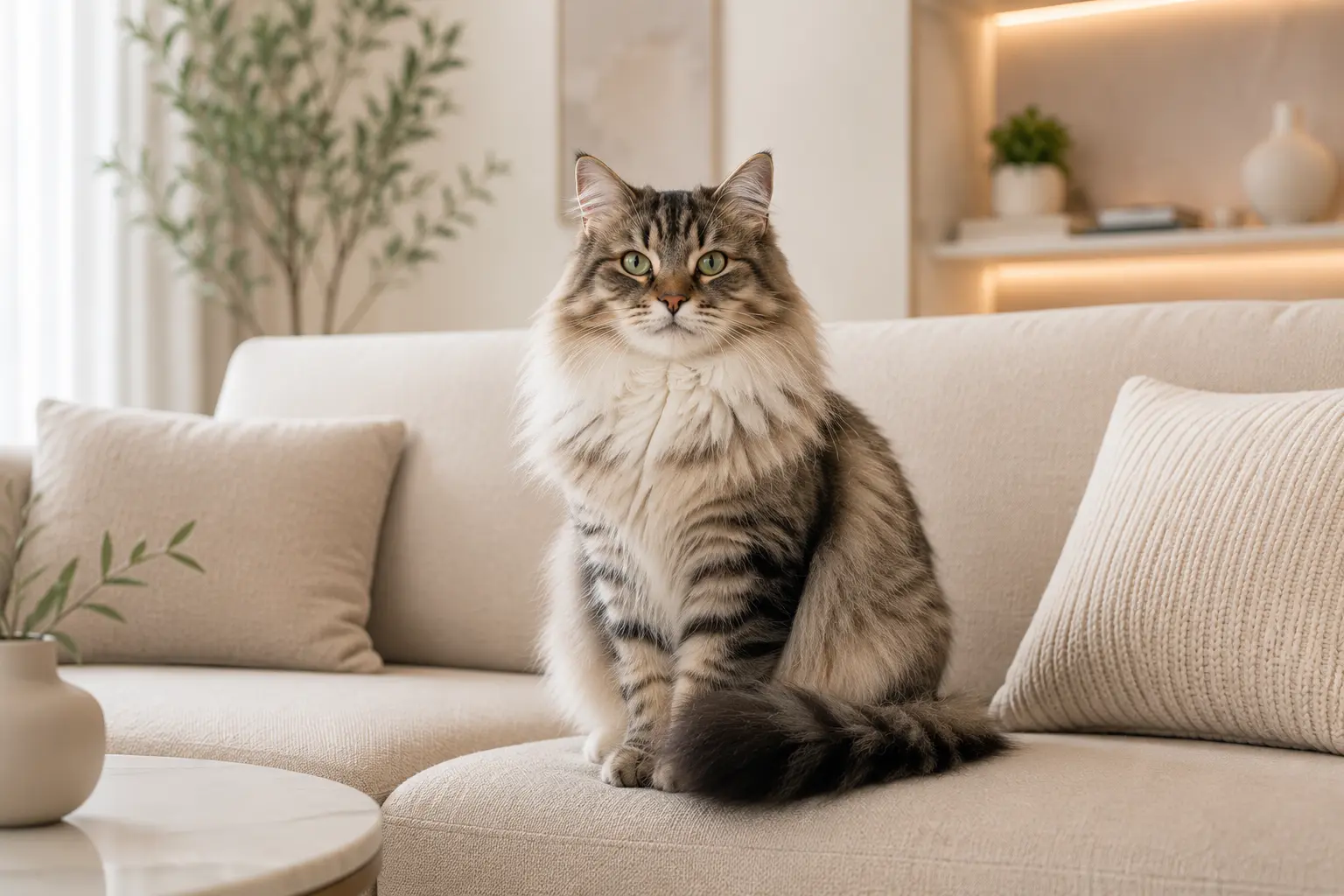
For cat lovers who suffer from sneezing, itchy eyes, and asthma, the concept of a "hypoallergenic" cat sounds like the ultimate solution. However, the term is frequently misunderstood. Before bringing a new pet into your home, it is critical to understand the biological reality: there is no such thing as a 100% allergy-free cat.
The prefix "hypo-" simply means "less than normal." Hypoallergenic cat breeds are those that naturally produce fewer allergens or spread less dander into the environment compared to standard domestic felines.
In this guide, we evaluate the best hypoallergenic cat breeds, explaining the specific biological mechanisms that make them more tolerable for allergy sufferers.
Quick Summary: Top Hypoallergenic Breeds
| Breed | Coat Type | Primary Hypoallergenic Mechanism | Grooming Needs |
|---|---|---|---|
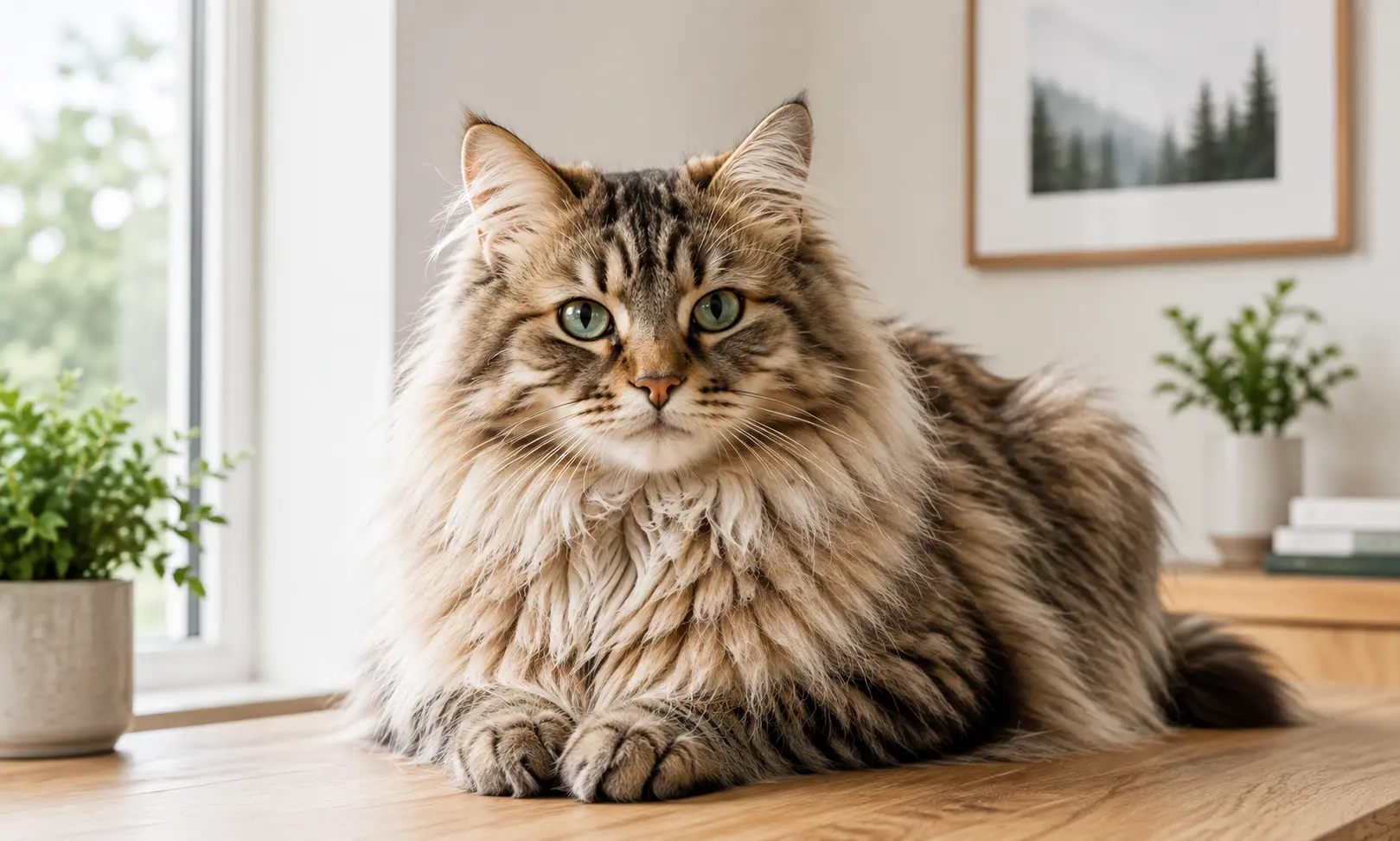
| Siberian | Long, thick triple coat | Naturally produces significantly less Fel d 1 | Moderate to High |
| Balinese | Long, silky single coat | Naturally produces less Fel d 1 | Moderate |
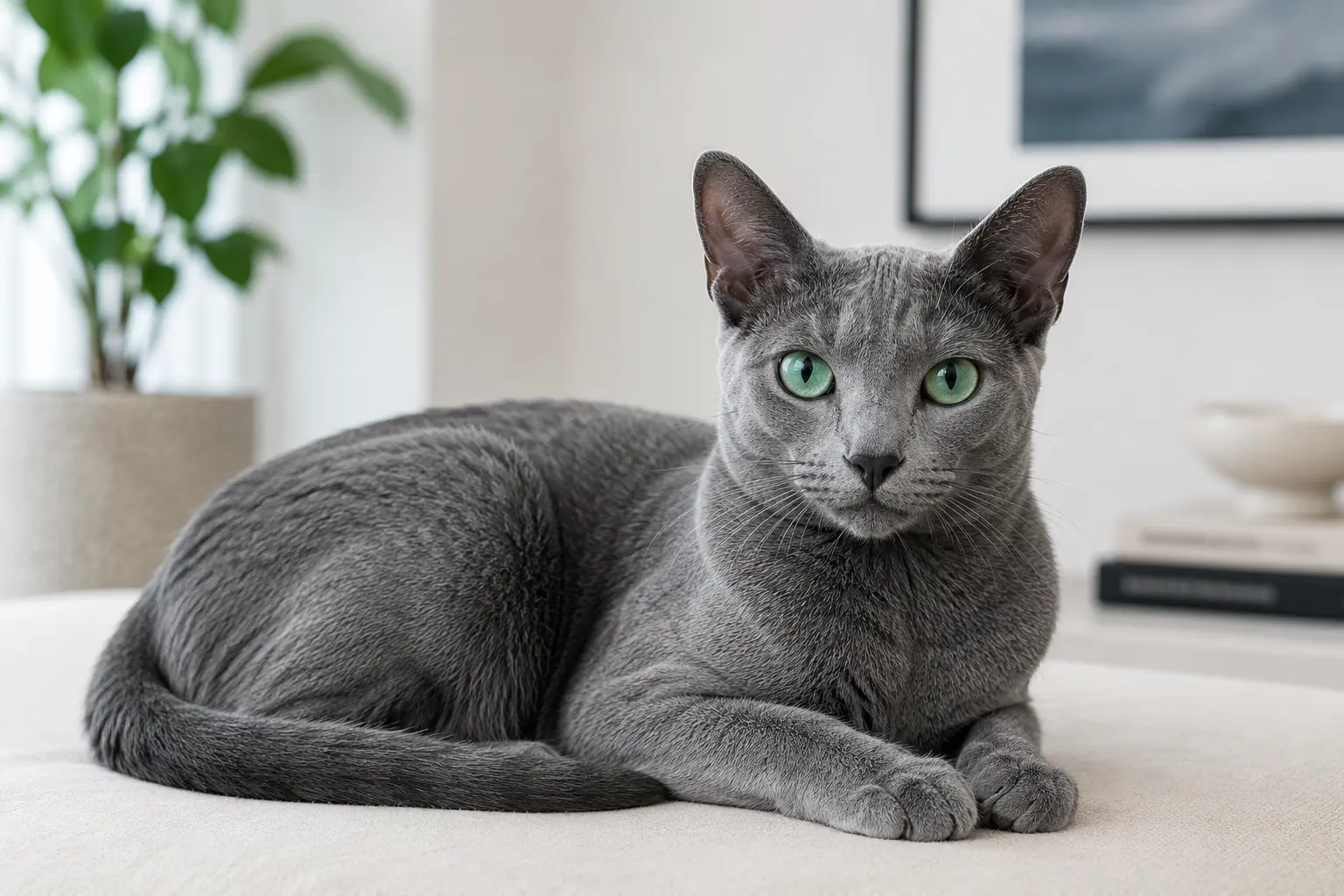
| Russian Blue | Short, dense double coat | Dense fur traps dander against the skin | Low |
| Sphynx | Hairless (peach fuzz) | Eliminates airborne hair shedding entirely | High (Frequent bathing) |
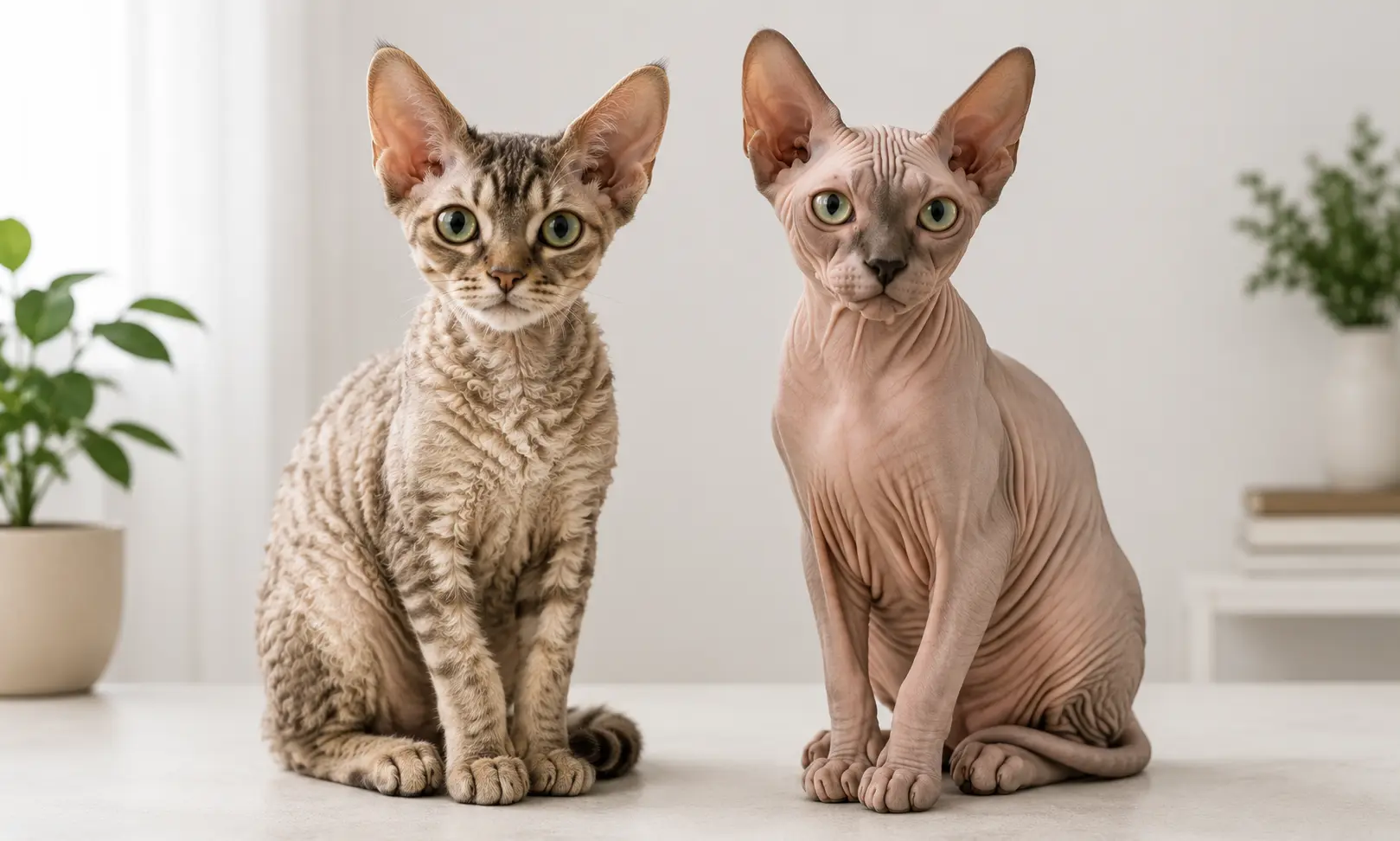
| Cornish / Devon Rex | Short, curly undercoat | Minimal shedding reduces environmental spread | Low |
The Science of "Hypoallergenic" Cats
To understand why certain breeds trigger fewer cat allergy symptoms, we must look at the root cause of the allergic reaction.
As explained in our deep dive on what causes cat allergies, human immune systems are primarily reacting to a microscopic protein called Fel d 1. This protein is produced in feline saliva and sebaceous (skin) glands. When cats groom themselves, they spread this protein across their coat. As the saliva dries, it flakes off as microscopic dander.
Hypoallergenic breeds achieve their status through one of two mechanisms:
- Biological Reduction: A genetic mutation causes the cat to produce remarkably lower levels of the Fel d 1 protein in their saliva.
- Mechanical Reduction: The cat's unique coat type (or lack thereof) prevents the dander from easily detaching and floating into the household air (read more on the mechanics of dander vs. hair).
1. Siberian — Best Overall for Severe Allergies
Despite having a massive, fluffy triple coat, the Siberian is widely considered the best option for allergy sufferers. Their hypoallergenic status is entirely biological, not mechanical.
The Biological Advantage
Siberians possess a documented genetic anomaly that causes them to produce significantly less Fel d 1 protein in their saliva than standard domestic cats. While a typical cat might produce high levels of the protein, many Siberians produce trace amounts. Because their saliva lacks the protein, their heavy shedding does not trigger the same severe immune response.
- Ideal For: People with severe, systemic allergic reactions to the Fel d 1 protein.
- Important Note: Fel d 1 levels can vary from cat to cat within the breed. It is highly recommended to spend time directly with a Siberian breeder's cats before committing.
2. Balinese — The "Long-Haired Siamese"
Often referred to as the long-haired Siamese, the Balinese is a highly intelligent, vocal, and affectionate breed that shares a similar genetic advantage to the Siberian.
The Biological Advantage
Like the Siberian, the Balinese naturally produces lower concentrations of the Fel d 1 protein. Additionally, despite their luxurious appearance, they possess a single coat (meaning they lack a fluffy undercoat). This single layer results in significantly less shedding than a standard long-haired cat, combining a lower biological allergen load with a lower mechanical spread of dander.
- Ideal For: Those seeking a highly affectionate, low-shedding companion with low baseline allergens.
3. Russian Blue — The Dander Trapper
Recognizable by their striking silver-blue coats and green eyes, Russian Blues are excellent options for people with mild to moderate allergies.
The Mechanical Advantage
While some breeders suggest Russian Blues produce slightly less Fel d 1, their primary hypoallergenic trait is mechanical. They possess an incredibly dense, plush double coat. This coat is so thick that it effectively traps dander against the cat's skin, preventing it from easily flaking off and becoming airborne as the cat walks through the house.
- Ideal For: Allergy sufferers who prefer a low-maintenance, quiet, and independent breed.
4. Sphynx — Best for Environmental Control
The Sphynx is famous for being virtually hairless, though they actually possess a fine layer of "peach fuzz."
The Mechanical Advantage
Sphynx cats do produce normal levels of the Fel d 1 protein in their saliva and skin. However, because they do not have hair to shed, they do not leave allergen-soaked fur on your furniture, carpets, or clothing.
- Maintenance Warning: Without fur to absorb the oils produced by their skin, the Fel d 1-rich sebum builds up on their bodies. Sphynx cats require frequent, thorough bathing (often weekly) to wash away this oil and prevent it from transferring to your hands and furniture.
5. Cornish Rex & Devon Rex — The Curly Coats
Most cats have three layers of hair: the guard hair, the awn hair, and the down hair. The Cornish Rex and Devon Rex lack the outer layers, possessing only a super-fine, curly down undercoat.
The Mechanical Advantage
Because their coat is so sparse and fine, these breeds shed far less than traditional cats. Less shedding means fewer vehicles for dried salivary Fel d 1 to travel through the air. They require very little grooming and naturally limit the spread of allergens in the home.
Living with a Hypoallergenic Breed: The Layered Approach
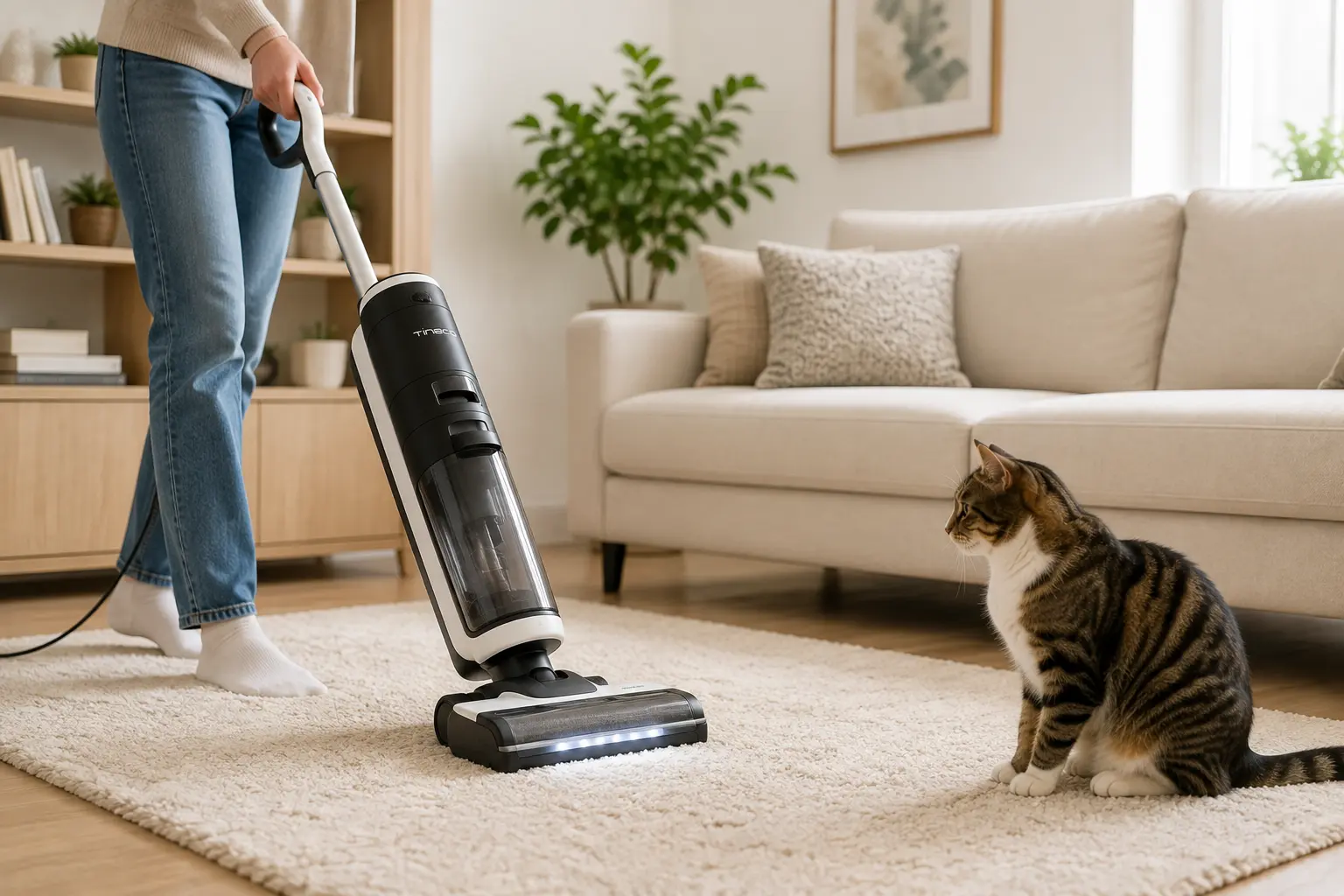
Adopting a hypoallergenic breed is an excellent first step, but it is rarely enough to guarantee zero symptoms, especially for highly sensitive individuals. To create a truly comfortable living environment, you must layer your defenses:
- Dietary Intervention: Even low-allergen cats produce some Fel d 1. You can lower their output even further by feeding them an allergen-reducing diet like Purina LiveClear, which neutralizes the protein in their mouth.
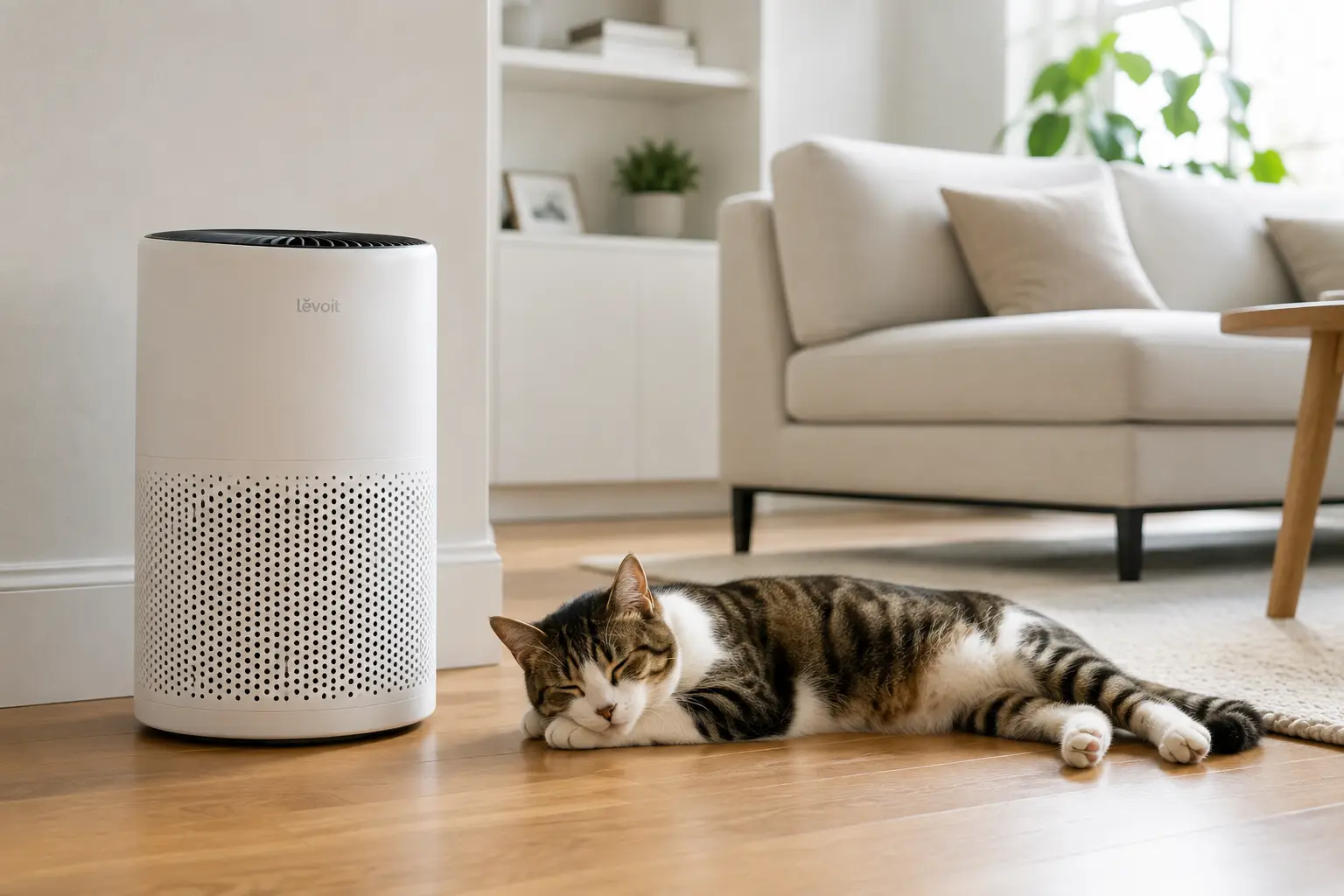
- Air Filtration: Because dander is microscopic and buoyant, it is essential to run a True HEPA filter in your home, particularly in the bedroom. (Review our top picks for the best air purifiers for cat allergies).
- Biological Factors: Statistically, female cats and neutered male cats produce less Fel d 1 than intact male cats. Factoring this into your adoption choice can further tip the scales in your favor.
Final Summary
If you are committed to living with a cat despite your allergies, choosing the right breed can drastically improve your daily comfort.
- For the lowest biological allergen production, seek out a Siberian or a Balinese.
- For the lowest mechanical spread of dander and hair, consider a Sphynx or a Russian Blue.
Always consult with your allergist before bringing a pet home, and ensure you spend a few hours with a specific cat to gauge your immune system's localized reaction before finalizing an adoption.