4 Best Cat Foods for Allergies (Anti-Fel d 1 & Sensitive Diets)
Can cat food reduce human allergies? We review top allergen-reducing diets like Purina LiveClear and limited-ingredient foods that lower dander at the source.
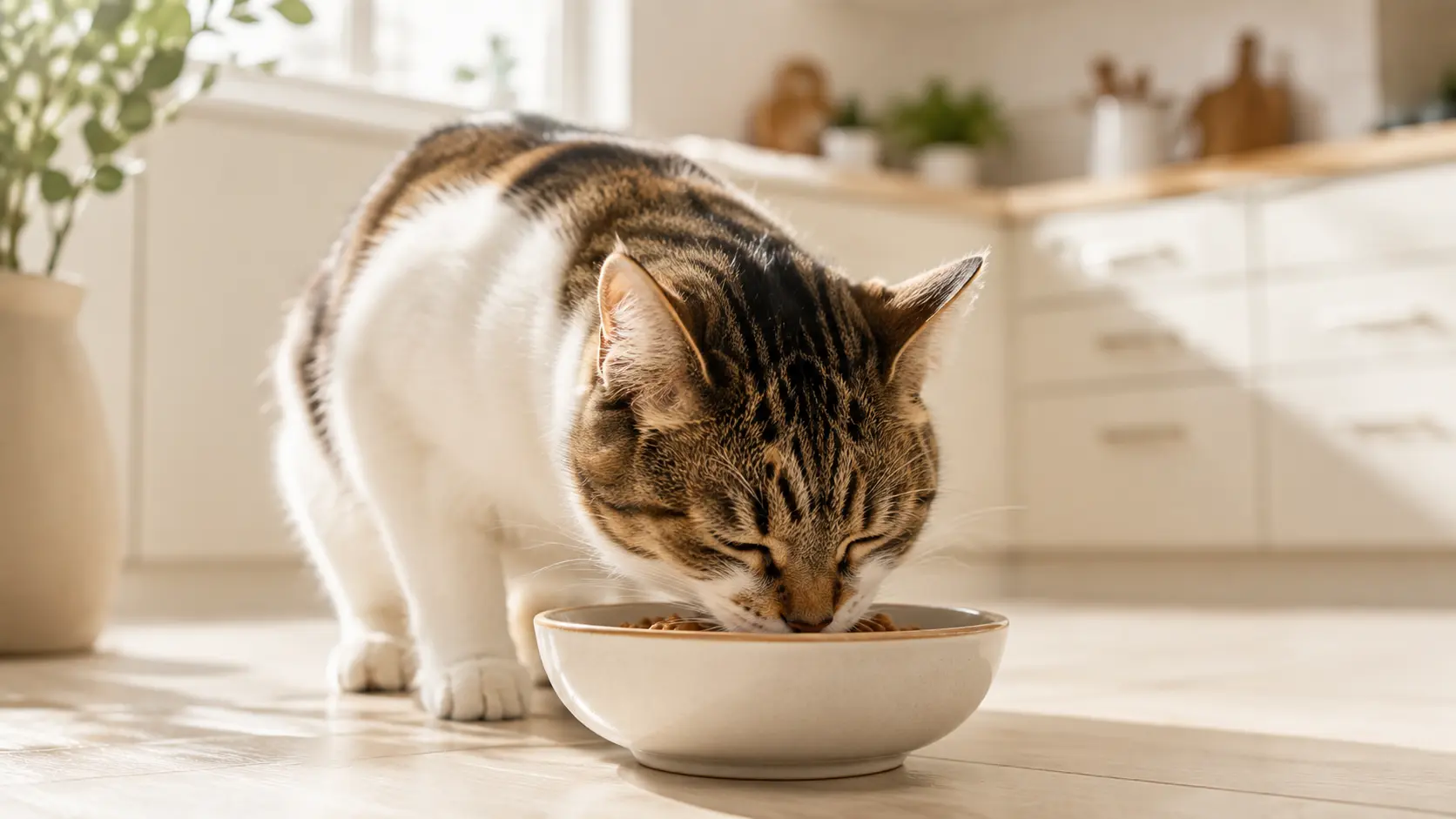
Managing cat allergies traditionally relies on environmental controls, heavy filtration, or symptom relief after exposure occurs. However, ongoing feline nutritional science offers a proven method to address allergens directly at their biological origin. By incorporating specific egg-derived antibodies into a cat's daily diet, targeted formulas can neutralize active Fel d 1 protein—the primary allergen responsible for most human reactions—in feline saliva by up to 47% (Purina LiveClear clinical studies).
In this comprehensive guide, we evaluate the top cat foods formulated to lower allergen output at the source. We also examine high-quality, limited-ingredient diets designed to support feline skin health, which indirectly minimizes the volume of dander shed into your home environment.
Quick Summary: Top Allergen-Reducing Cat Foods
| Brand / Product | Primary Mechanism | Allergen Reduction | Key Protein Source | Best For |
|---|---|---|---|---|
| Purina Pro Plan LiveClear | Anti-Fel d 1 IgY Antibodies | Up to 47% (Purina clinical studies) | Real Chicken / Salmon | Best Overall for Human Allergies |
| Blue Buffalo Sensitive Stomach | Limited Ingredient & Prebiotics | Indirect (Coat & Skin Support) | Real Turkey & Brown Rice | Best for Cat Digestive Health |
| Hill's Science Diet Sensitive | Vitamin E & Omega-6 Fatty Acids | Indirect (Moisture & Dander Reduction) | Chicken & Rice | Best for Dry Skin & Shedding |
| Merrick Limited Ingredient | Single-Source Animal Protein | Indirect (Reduces Inflammatory Shedding) | Real Deboned Duck | Best Grain-Free Option |
The Science: How Feline Diets Neutralize Allergens
To understand how an allergen-reducing diet functions, it is necessary to examine the underlying biological process of feline allergen distribution:
- The Source of Fel d 1: Cats produce the Fel d 1 protein naturally. It is secreted primarily by their salivary glands and sebaceous (skin) glands.
- The Grooming Transfer: Cats are meticulous groomers. During this process, salivary proteins coat the fur and skin. As the saliva dries, microscopic allergen particles attach to shed hair and dead skin flakes (dander), which then become airborne and circulate through household air.
- Antibody Neutralization: Over a decade of research led to the discovery that chickens exposed to cats naturally produce an antibody against Fel d 1, which is then concentrated in their eggs. Specialized diets extract this specific egg-derived IgY antibody. When the cat chews the kibble, the antibody binds directly to active Fel d 1 in their saliva, neutralizing up to 47% of the allergen before the cat can groom itself and spread it onto its coat (Purina LiveClear clinical studies).
1. Purina Pro Plan LiveClear — Best Overall for Neutralizing Fel d 1
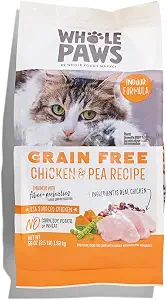
Purina Pro Plan LiveClear is currently the primary commercially available diet backed by clinical data specifically demonstrating the neutralization of Fel d 1 at the source.
How It Works and Clinical Evidence
LiveClear incorporates the egg-derived IgY protein directly into the kibble coating. As your cat eats, these antibodies bind to the active Fel d 1 molecules in their salivary secretions.
- Documented Efficacy: Clinical studies demonstrate an average 47% reduction in active Fel d 1 on feline hair and dander, with significant measurable drops beginning by the third week of continuous daily feeding (Purina LiveClear clinical studies).
- Feline Safety: The egg protein is digested in the stomach just like any standard dietary protein. It does not alter the cat's baseline metabolism, hormonal balance, or overall immune health (Purina LiveClear clinical studies).
- Nutritional Profile: Real meat (chicken or salmon) serves as the first ingredient. The line includes specialized formulas for Adult, Kitten, Weight Management, and Indoor specific needs.
Pros
- The only formula that directly lowers the specific primary protein responsible for triggering human cat allergy symptoms.
- Fortified with live probiotics for digestive and immune health.
Cons
- Must be fed consistently as the primary diet; mixing heavily with unfortified wet food or standard kibble dilutes the neutralizing effectiveness.
2. Hill's Science Diet Sensitive Stomach & Skin — Best for Dander Reduction
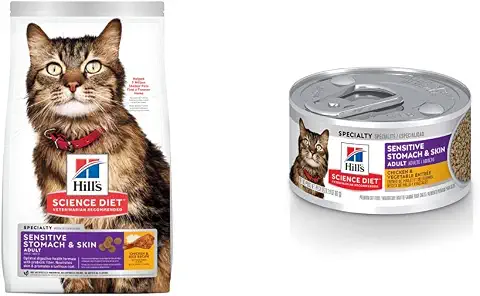
While it does not contain the specific anti-Fel d 1 IgY antibodies, Hill's Science Diet Sensitive Stomach & Skin targets allergen output by supporting the epidermal barrier, effectively reducing the volume of dry, flaking skin (dander) a cat sheds.
Key Highlights
- Omega-6 Fatty Acid Blend: Nourishes the skin tissue to reduce dry flakes that serve as the primary vehicle for airborne allergen particles.
- Prebiotic Fiber Component: Utilizes beet pulp to promote intestinal nutrient absorption and digestive stability, which reflects directly in coat health.
- Vitamin E Concentration: Supports coat retention, helping to manage excessive seasonal shedding that normally coats furniture in allergen-carrying fur.
Ideal For
Households where minimizing physical hair shedding and treating a cat's dry skin issues are the primary strategies for managing environmental allergens.
3. Blue Buffalo Sensitive Stomach Turkey & Rice — Best Natural Formula
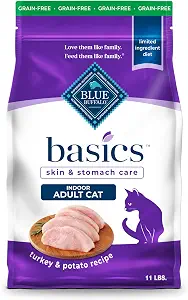
For pet owners preferring recipes formulated without corn, wheat, or soy, Blue Buffalo Sensitive Stomach provides balanced holistic nutrition aimed at supporting coat integrity and minimizing systemic inflammation that can lead to over-grooming.
Key Highlights
- Single Primary Animal Protein: Real turkey serves as the first ingredient, providing a highly digestible protein source for cats with sensitive stomachs.
- Exclusive LifeSource Bits: Features a precise, cold-formed blend of antioxidants, vitamins, and minerals selected by holistic veterinarians to support general immunity.
- Omega-3 & 6 Oils: Sourced primarily from flaxseed and fish oils to strengthen hair follicles at the root and limit excessive shedding.
4. Merrick Limited Ingredient Grain-Free Duck — Best Single-Protein Option
If a cat suffers from food sensitivities, the resulting discomfort often leads to frequent scratching, biting, and over-grooming. This mechanical irritation dramatically increases dander dispersal. Merrick Limited Ingredient uses a highly simplified recipe to eliminate common dietary triggers.
Key Highlights
- Deboned Duck Base: Provides a clean, novel single-protein source, avoiding common feline dietary allergens like beef, dairy, or commercial chicken meal.
- Grain-Free Recipe: Formulated entirely without artificial colors, preservatives, or unnecessary carbohydrate fillers.
- Skin Comfort Support: Contains a high concentration of essential amino acids and fatty acids that support skin comfort, naturally reducing a cat's urge to over-groom.
How to Safely Transition Your Cat to a New Allergen-Reducing Diet
Feline digestive systems are highly sensitive to sudden dietary changes. To avoid gastrointestinal upset when switching to an allergen-reducing diet like LiveClear, veterinarians recommend a gradual 7-to-10-day transition plan:
- Days 1–2: Feed 25% new food mixed with 75% of the current food.
- Days 3–4: Feed 50% new food mixed with 50% of the current food.
- Days 5–6: Feed 75% new food mixed with 25% of the current food.
- Day 7 and beyond: Serve 100% of the new allergen-reducing food.
Note: For the IgY antibodies to work effectively, the targeted kibble must eventually become the cat's primary, daily source of nutrition.
Maximizing Allergen Reduction: A 360-Degree Strategy
Dietary intervention provides an excellent baseline for allergy management, but it yields the best results when integrated into a broader environmental strategy:
- Maintain Consistency: Antibody-based diets require at least 3 weeks of strict, daily feeding to achieve and maintain measurable allergen reduction.
- Deploy True HEPA Filtration: While specialized food reduces the active allergen production, air filtration physically removes the remaining airborne particles. Review our guide to the best air purifiers for cat allergies for top-rated recommendations.
- Establish Clean Zones: Keep bedroom doors permanently closed to restrict dander accumulation in the spaces where you sleep.
Frequently Asked Questions
Do I need a veterinary prescription to buy allergen-reducing cat food?
No. Formulas like Purina Pro Plan LiveClear and the sensitive skin diets listed above are available over the counter at major pet retailers and online stores without a prescription.
Is allergen-reducing cat food safe for long-term feeding?
Yes. Multi-year clinical safety trials confirm that egg-derived IgY antibodies pass through the feline digestive system safely without altering a cat's baseline metabolism, kidney function, or health status (Purina LiveClear clinical studies).
How quickly do antibody-based foods show noticeable results?
Reductions in salivary Fel d 1 begin during the first week of feeding. Maximum allergen reductions (averaging up to 47%) are typically measured by the end of week 3 of continuous feeding (Purina LiveClear clinical studies).
Can I mix LiveClear with wet food or treats?
To maintain an effective antibody concentration in the cat's saliva, LiveClear kibble should constitute the vast majority of your cat's daily caloric intake. Unfortified wet food or treats should be kept to a strict minimum to avoid diluting the neutralizing effect.
Final Summary
- To directly reduce salivary Fel d 1 output: Select Purina Pro Plan LiveClear, the only option clinically shown to neutralize the primary allergen.
- To reduce physical skin flaking and excessive shedding: Consider Hill's Science Diet Sensitive Stomach & Skin or Merrick Limited Ingredient.
Combining a targeted, allergen-neutralizing diet with high-efficiency air purification (see our air purifier guide) offers an evidence-based approach to managing indoor cat allergens.