Are Maine Coons Hypoallergenic? The Honest Answer
Maine Coons are gentle giants, but are they hypoallergenic? The honest answer, what allergic owners report, and better-fit alternatives.
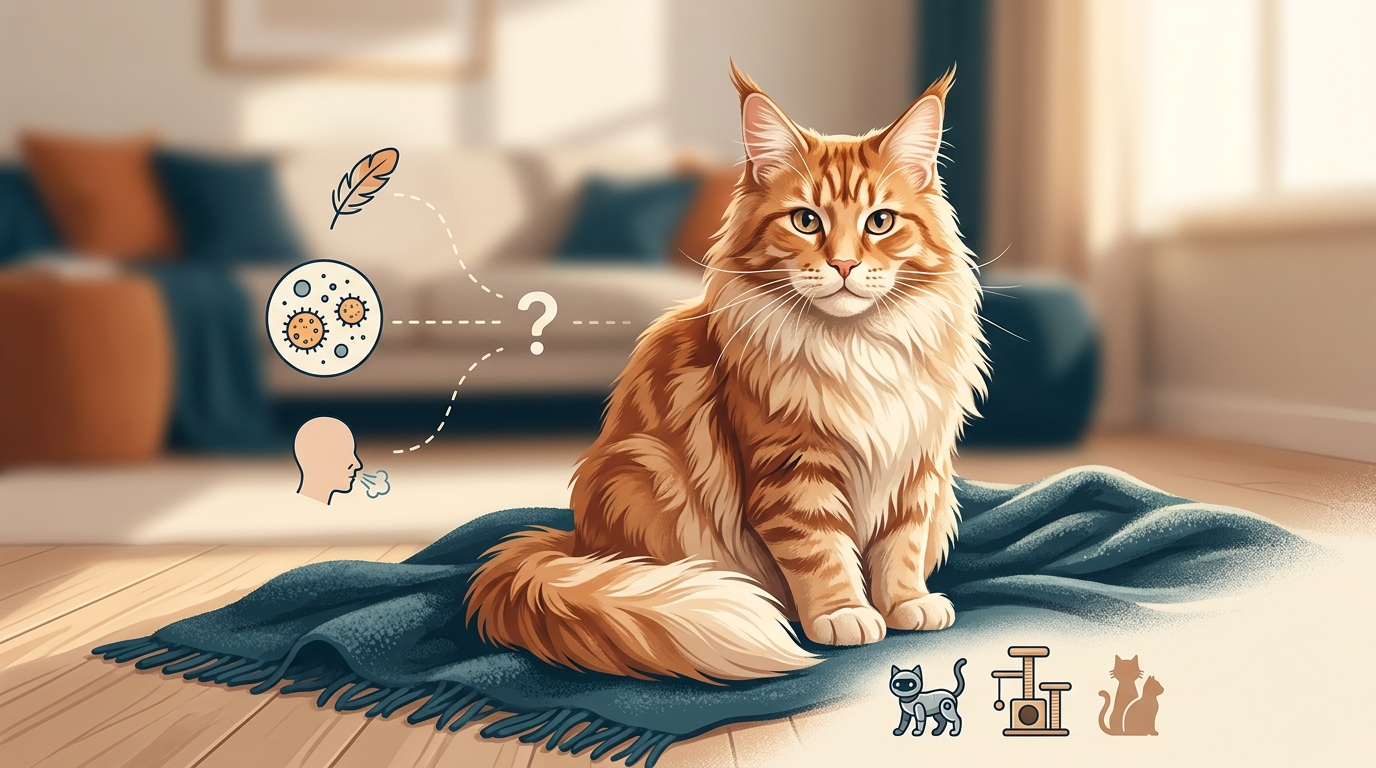
If you are researching whether are maine coons hypoallergenic, the short and honest answer is no: Maine Coons are not hypoallergenic in any biological or mechanical sense. In fact, due to their massive physical size, dense water-repellent double coat, and heavy seasonal shedding, Maine Coons often present a much higher allergen challenge for sensitive individuals than typical domestic cats.
Celebrated as the "gentle giants" of the cat world, Maine Coons are famous for their dog-like devotion, tufted lynx ears, and magnificent plumed tails. Because of their affectionate personalities and striking woodland appearance, many allergic animal lovers desperately hope that Maine Coons might somehow be low-allergen. Online forums frequently feature hopeful discussions from owners claiming they tolerate their Maine Coon without symptoms.
In this guide, we examine why the Maine Coon hypoallergenic myth persists, analyze what scientific research actually shows regarding their Fel d 1 output, evaluate real-world shedding dynamics, and explore lower-allergen alternatives if you love large, fluffy cats.
Quick Summary: The Maine Coon Allergy Profile
| Trait | Maine Coon Reality | Allergy Significance & Impact |
|---|---|---|
| Fel d 1 Production | Standard biological baseline | Protein is present in saliva, skin oils, and tears; no genetic reduction |
| Body Size & Mass | Massive (12 to 25+ pounds) | Greater surface area means higher total volume of skin and dander |
| Coat Structure | Heavy, water-repellent double coat | Dense undercoat sheds heavily; creates substantial airborne hair volume |
| Shedding Volume | High to Very High | Significant seasonal molting releases vast amounts of dried salivary proteins |
| Grooming Demands | High (2–3 times weekly) | Frequent combing is mandatory to prevent painful matting and dander buildup |
| Evidence Level | Unsupported | No scientific data supporting lower allergenicity in Maine Coons |
What Is True About the Maine Coon: Coat, Size, and Shedding
To understand why Maine Coons challenge human respiratory systems, you must examine their evolutionary adaptation.
Originating as rugged working barn cats in the harsh winter climate of Maine, this native North American breed evolved heavy physical armor against snow and freezing temperatures:
- Massive Body Surface Area: Adult male Maine Coons regularly weigh between 15 and 25 pounds (with some exceeding 28 pounds), while females typically range from 11 to 18 pounds. A 20-pound Maine Coon has nearly double the dermal surface area of an 8-pound Siamese, resulting in significantly greater total epidermal turnover and dander production.
- Heavy Double Coat: Their fur consists of two substantial layers: a soft, insulating undercoat covered by a flowing, water-repellent outer guard coat. They feature a full frontal ruff around the chest, long belly fur, and heavily tufted paws.
- Intense Seasonal Molting: Twice a year (spring and autumn), Maine Coons blow their undercoats. During these seasonal coat transitions, thousands of dead undercoat hairs shed over several weeks, creating an immense volume of loose airborne debris.
Why Does the "Hypoallergenic Maine Coon" Myth Persist?
If Maine Coons shed heavily and produce standard allergen levels, why do internet articles and breeder forums continually list them as low-allergen?
+--------------------------------------------------------------------------+
|                     WHY THE MAINE COON MYTH PERSISTS                     |
|                                                                          |
|  1. Confusion with Siberians (both large, fluffy, cold-climate breeds).   |
|  2. "Slow-shedding" claims misinterpreted as "low-allergen" biology.     |
|  3. Individual owner tolerance stories mistaken for breed-wide genetics.  |
|  4. Aggressive commercial breeder marketing exploiting hopeful buyers.   |
+--------------------------------------------------------------------------+
1. Confusion with the Siberian Cat
The most common cause of confusion is visual resemblance. Both Maine Coons and Siberian cats are massive, heavily furred, forest-dwelling breeds with barrel chests and bushy tails. However, while some Siberian lines possess documented genetic mutations in the Ch1 and Ch2 genes that suppress salivary Fel d 1 production, the Maine Coon possesses no such genetic variation. Hopeful cat buyers frequently conflate the two breeds.
2. Misinterpreting Anecdotal Tolerance
Some allergic owners genuinely live comfortably with a Maine Coon. However, feline allergen production is driven by individual biology rather than breed classification. Intact males produce the highest Fel d 1 concentrations, neutering significantly lowers output, and female cats naturally produce the lowest baselines. An allergic owner who adopts a small, spayed female Maine Coon with naturally low baseline output may assume the entire breed is hypoallergenic.
What Science Supports: The Realities of Fel d 1
To evaluate allergy risk accurately, you must look to feline immunology rather than coat length.
As explained in our medical guide on what causes cat allergies, human reactions are triggered primarily by Fel d 1, a 35 kDa secretoglobin glycoprotein synthesized in feline salivary, sebaceous (skin), and lacrimal (tear) glands. Fel d 1 accounts for up to 95% of all human feline allergic responses.
When a Maine Coon grooms its massive coat, salivary Fel d 1 coats thousands of long hair shafts. As the saliva dries, the protein detaches on shed hairs and microscopic flakes of dead skin called dander. Feline dander particles measure between 2 and 10 microns in diameter, with fine particles under 5 microns remaining airborne indefinitely in household air currents.
Because of the Maine Coon's sheer physical mass and extensive coat, the total volume of dried saliva and dander shed into household carpets, upholstery, and air ducts is among the highest of any domestic pedigree breed.
Realistic Household Dander and Grooming Demands
Living with a Maine Coon requires significant daily maintenance. Without consistent grooming, their long fur mats quickly, causing skin inflammation that accelerates dander production.
Grooming Requirements
- Brushing Frequency: A Maine Coon requires thorough combing at least 2 to 3 times per week using a wide-toothed steel greyhound comb and an undercoat rake to reach down to the skin.
- Grooming Danger for Allergic Owners: Brushing a 20-pound long-haired cat mechanically launches dense clouds of dry dander and hair directly into your face. An allergic owner should never groom a Maine Coon indoors without wearing a well-fitted N95 mask, or better yet, should delegate grooming entirely to a non-allergic family member.
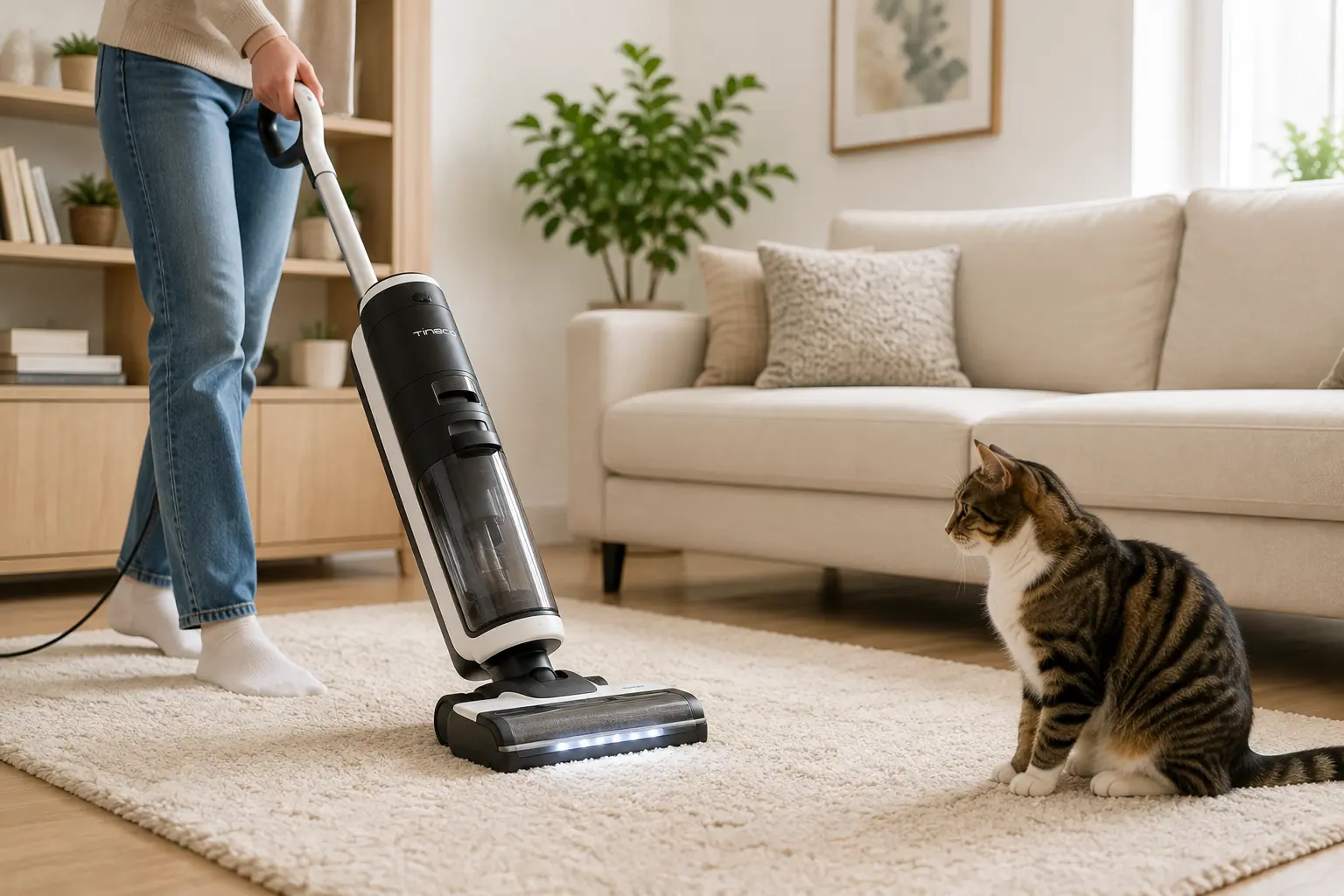
- Vacuuming Demands: Standard vacuum cleaners blow microscopic dander back into the room. Maintaining a Maine Coon in an allergy household requires a sealed vacuum equipped with a certified True HEPA exhaust system that captures 99.97% of particulates down to 0.3 microns.
If You Love Maine Coons but Have Allergies: Actionable Steps
If you are determined to bring a Maine Coon into your home despite having cat allergies, success requires total honesty regarding your personal sensitivity.
Step 1: Clinical Allergy Testing (Know your exact IgE reactivity)
                            │
                            ▼
Step 2: Adult Cattery Challenge (Spend 2–3 hours with mature Maine Coons)
                            │
                            ▼
Step 3: At-Home Scent Trial (Sleep near a dander-rubbed blanket)
                            │
                            ▼
Step 4: Environmental Prep (HEPA purifiers, closed bedroom, sealed vacuums)
- Get Clinically Tested First: Consult a board-certified allergist for specific IgE blood testing or skin-prick testing. If you have underlying allergic asthma, adopting a heavy-shedding, large-mass cat poses serious medical risks.
- Conduct Multi-Hour Adult Exposure Trials: Never test your tolerance around 8-week-old kittens. Kittens produce significantly lower allergen concentrations than sexually mature adults. Spend at least 2 to 3 hours inside a breeder's cattery interacting exclusively with adult Maine Coons, without taking antihistamines beforehand.
- Select a Spayed Female: If you proceed, choose a female kitten and ensure she is spayed promptly. Females produce lower baseline androgenic hormones, minimizing sebaceous Fel d 1 production.
- Implement Environmental Controls: Establish a strict, permanent cat-free bedroom, run True HEPA air filtration continuously, and consider feeding an anti-Fel d 1 diet such as Purina Pro Plan LiveClear, which reduces active allergens on hair and dander by an average of 47% starting by the third week of daily feeding.
For a broader evaluation of managing cohabitation, read our guide on can I keep my cat if I'm allergic.
Better-Fit Breeds for Allergy Sufferers
If you love the majestic presence of a large, fluffy cat but cannot tolerate standard allergen levels, several alternative breeds offer a substantially higher probability of success:
- Siberian: The premier alternative. Siberians share the massive, barrel-chested woodland aesthetic of the Maine Coon but feature documented genetic mutations in certain lines that naturally suppress salivary Fel d 1.
- Balinese: A semi-longhaired breed with a silky single coat that lacks a downy undercoat, producing far less shedding and lower reported allergen spread.
- Russian Blue: A large-framed, muscular cat with a dense double coat that mechanically traps dander close to the skin, preventing it from easily becoming airborne.
Compare all low-allergen options in our master ranking of the best hypoallergenic cat breeds, or use our interactive breed matcher tool to find a cat suited to your sensitivity profile.
Key Takeaways
- Maine Coons Are Not Hypoallergenic: They produce standard levels of the Fel d 1 allergen in their saliva, skin oils, and tears.
- Large Size Means More Dander: A 20-pound Maine Coon has nearly double the surface area of average domestic cats, generating a much larger environmental allergen load.
- Heavy Shedding Spreads Allergens: Their dense double coat undergoes heavy seasonal molting, scattering allergen-coated hair throughout the home.
- Do Not Confuse with Siberians: Siberians possess documented genetic mutations lowering Fel d 1; Maine Coons possess no such genetic trait.
- Test Thoroughly Before Adopting: Spend hours interacting with mature adult Maine Coons over multiple visits and consult an allergist before making a commitment.
Sources
- Bonnet, B., et al. (2018). "An update on molecular cat allergens: Fel d 1 and beyond." Allergy, Asthma & Clinical Immunology, 14, 7.
- Cat Fanciers' Association (CFA). "Maine Coon Cat Breed Profile and Standard."
- The International Cat Association (TICA). "Maine Coon Breed Standard and History."
- American Academy of Allergy, Asthma & Immunology (AAAAI). "Pet Allergens and Environmental Avoidance Guidelines."
- Satyaraj, E., et al. (2019). "Anti-Fel d 1 immunoglobulins reduce active allergen in cat saliva and dander." Journal of Feline Medicine and Surgery, 21(10), 958–965.