How to Test a Cat Before Adopting When You Are Allergic
Thinking of adopting but allergic? A step-by-step way to trial a cat first, plus allergy testing, foster options, and questions to ask.

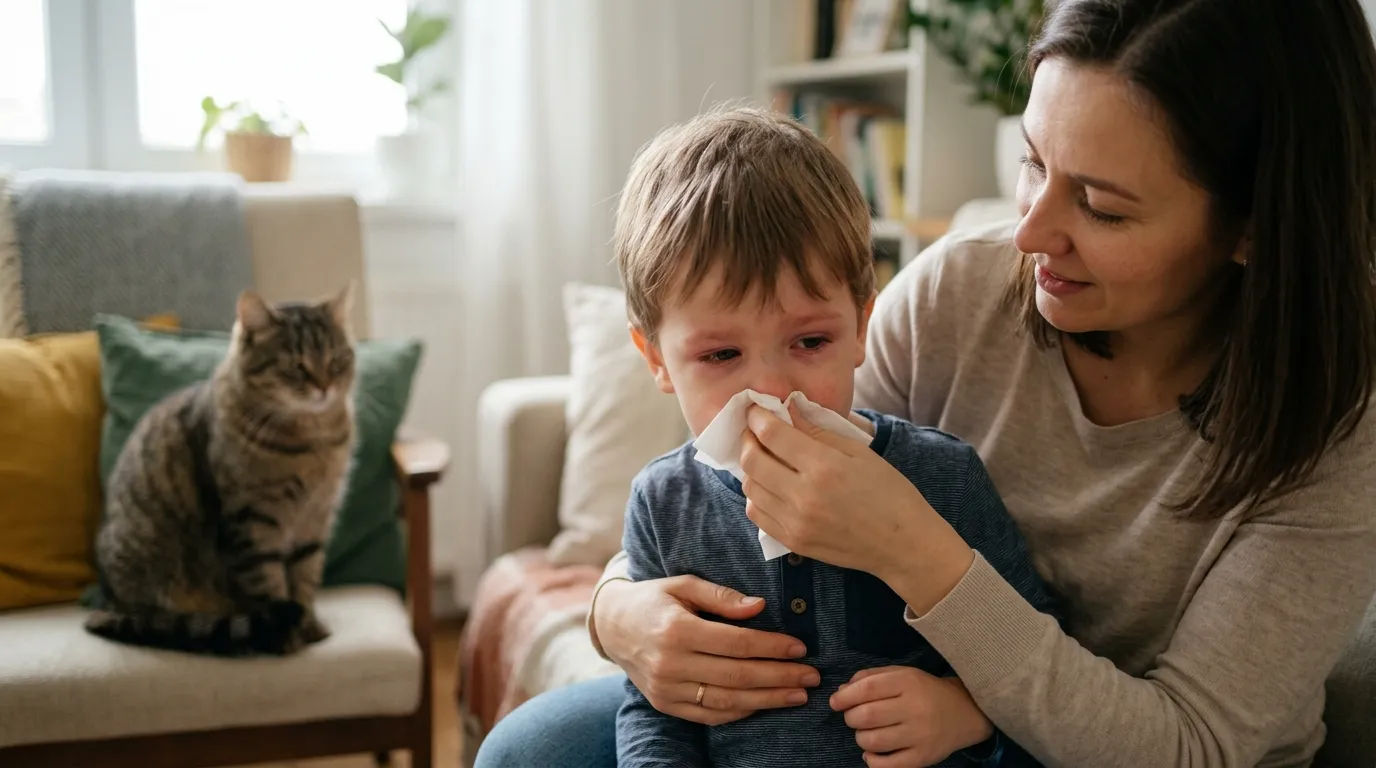
If you are allergic to cats but want one how to test before adopting is the most critical question you can ask, and the direct answer is that you must spend repeated, direct time with the specific individual cat before making a commitment. Because production of the primary Fel d 1 allergen varies dramatically from one cat to another—even within the same litter—general breed statistics cannot guarantee how your unique immune system will respond.
The heartbreak of bringing an animal home only to return it weeks later due to unmanageable wheezing or itchy hives is an experience every pet lover wants to avoid. Fortunately, by approaching adoption systematically, you can accurately gauge your physical tolerance before making a permanent legal or emotional commitment.
In this step-by-step guide, we walk you through getting medically tested, executing multi-visit exposure trials, utilizing foster-to-adopt programs, asking critical shelter and breeder questions, and preparing your home before adoption day.
Quick Summary: The 5-Step Pre-Adoption Trial Protocol
+--------------------------------------------------------------------------+
|                  THE 5-STEP PRE-ADOPTION TRIAL PROTOCOL                  |
|                                                                          |
|  [Step 1]  Clinical Testing    -->  Consult an allergist; confirm IgE    |
|  [Step 2]  Multi-Visit Trial   -->  Spend 2–3 hours on 2+ separate days  |
|  [Step 3]  Unmasked Exposure   -->  Do not take antihistamines before    |
|  [Step 4]  At-Home Cloth Test  -->  Sleep near dander-rubbed towel       |
|  [Step 5]  Foster-to-Adopt     -->  Trial live-in home cohabitation      |
+--------------------------------------------------------------------------+
Step 1: Get Medically Tested First
Before falling in love with a pair of feline eyes, start in a doctor's office. Assuming you are allergic to cats without clinical verification can lead to costly mistakes.
As detailed in our medical guide to cat allergy testing, schedule an appointment with a board-certified allergist for formal diagnosis:
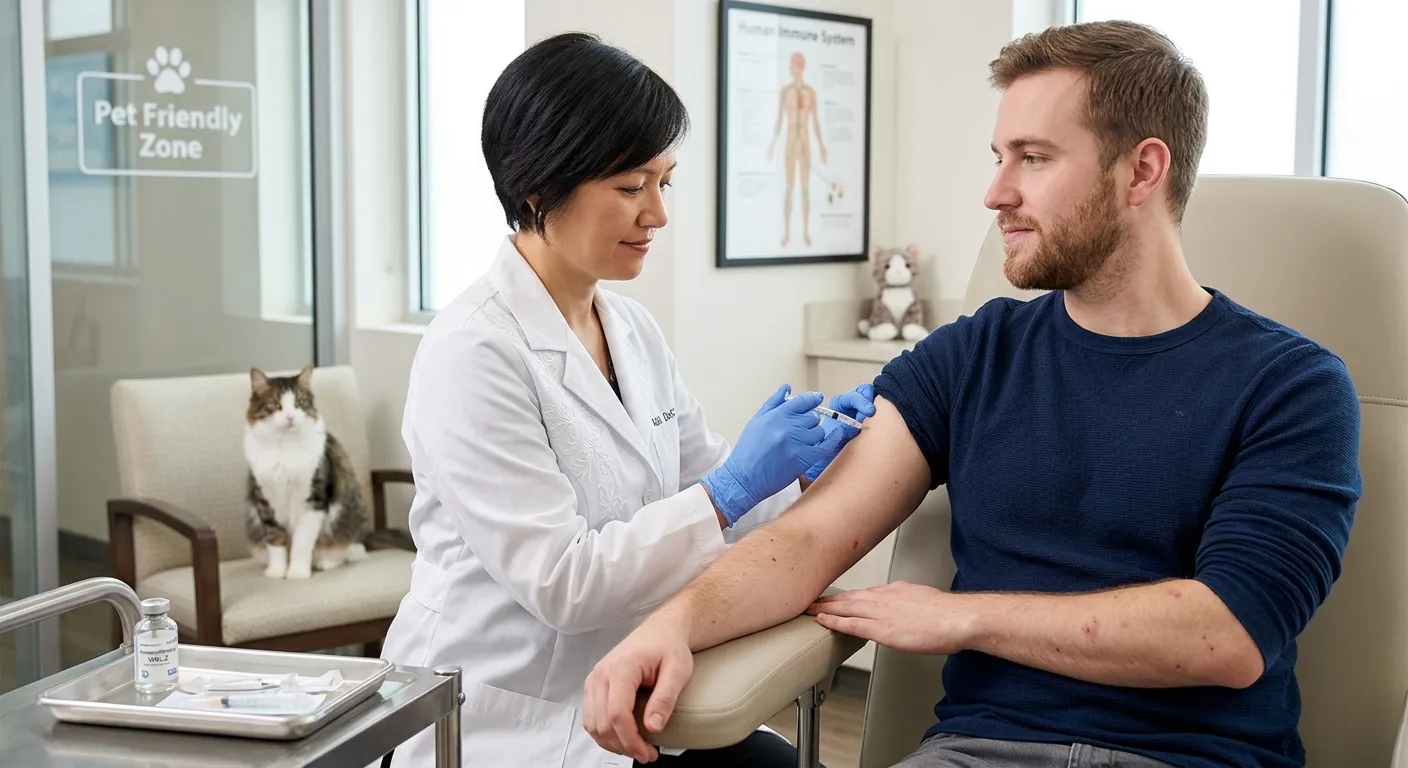
- Confirm Your Sensitization: Skin-prick tests and specific IgE blood tests (ImmunoCAP) measure your exact antibody levels against cat proteins, ruling out other indoor triggers like dust mites or mold.
- Assess Asthma and Airway Risks: If you have underlying asthma, an allergist can measure your baseline lung function (spirometry) to ensure that bringing an animal into your home will not trigger dangerous bronchospasms.
Step 2: Visit Several Times (Beware of Delayed Reactions)
A single 15-minute visit to an adoption room or cattery is never enough to evaluate allergy tolerance. Feline immunology involves multiple immune pathways that develop across different timeframes:
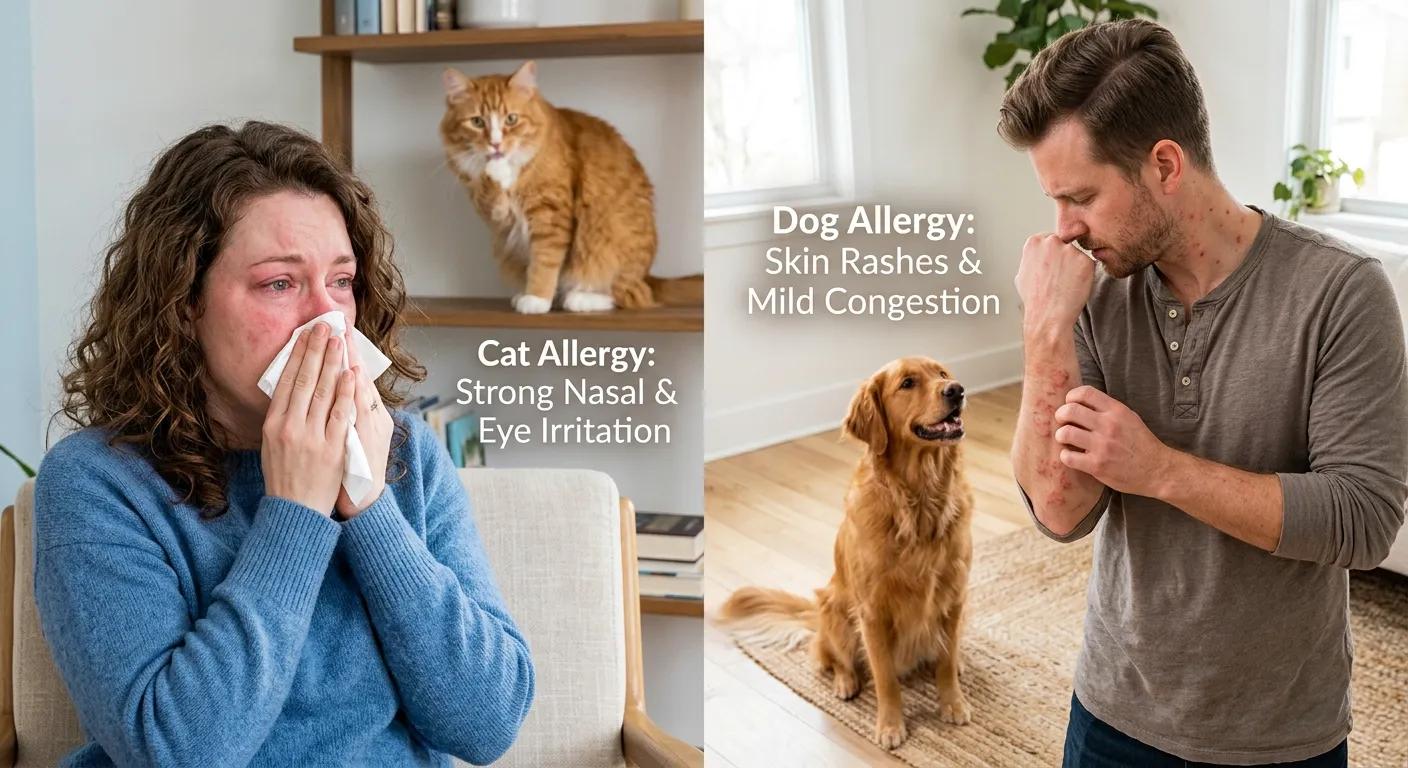
- Immediate Reactions (Minutes): Inhaling fine airborne dander or touching dried saliva can trigger rapid mast cell degranulation within 15 to 30 minutes, producing immediate sneezing, watery eyes, and localized skin hives.
- Delayed Hypersensitivity (Hours to Days): A secondary inflammatory wave often peaks 12 to 48 hours after exposure. You might feel fine while visiting a cat on Saturday afternoon, only to wake up Sunday morning with severe sinus pressure, coughing, or throat irritation.
- The Multi-Day Rule: Arrange to visit the specific cat on at least two or three separate days. Spending 2 to 3 hours in an enclosed space with the animal allows you to monitor both immediate and delayed immune responses.
Step 3: Do Not Pre-Medicate to Hide Symptoms
A frequent mistake prospective pet owners make is taking an antihistamine before heading to an animal shelter or breeder.
While taking allergy medication is helpful when visiting friends' pets, doing so during an adoption trial is counterproductive:
- Masking Your True Threshold: Taking a 24-hour antihistamine conceals early warning signs, creating a false impression that your body tolerates the animal.
- The Post-Adoption Trap: When you bring the cat home and medication wears off, you may discover that your baseline reaction is far more severe than anticipated.
- Medical Supervision: Unless specifically advised by your doctor to maintain an ongoing maintenance medication (such as an asthma controller inhaler), avoid taking rescue antihistamines immediately prior to your trial visits.
Step 4: Perform the At-Home Scent and Dander Trial
Sensitivities often manifest differently in your home environment than in a shelter or cattery where multiple animals are present.
- Request a Scent Cloth: Ask the shelter staff, foster parent, or breeder to thoroughly rub a clean cotton hand towel or t-shirt over the specific cat's back, neck, and flanks.
- Seal and Transport: Seal the cloth in a zip-top plastic bag to keep it fresh until you return home.
- The 48-Hour Trial: At home, place the cloth on your nightstand or over your pillow, and wear the shirt for several hours over the next 24 to 48 hours. This allows you to evaluate your respiratory response in your own bedroom microclimate.
Step 5: Leverage Foster-to-Adopt Programs
The single most compassionate and practical path for allergic pet lovers is foster-to-adopt.
Many humane societies, municipal shelters, and private rescue organizations offer foster-to-adopt arrangements:
- How It Works: You take the cat into your home on a temporary foster basis for 2 to 4 weeks. The shelter retains legal ownership and often provides food and medical care during the trial period.
- Real-World Living Conditions: This allows you to observe how your allergies respond to real-world living: sleeping with the cat in the house, vacuuming dander, and handling the litter box.
- Zero Guilt Safety Net: If your asthma flares or symptoms prove unmanageable despite environmental controls, the cat returns to the foster network safely without the emotional trauma of a formal adoption return.
Shelters vs. Breeders: Critical Questions and Red Flags
Whether adopting from a non-profit rescue or purchasing from a purebred breeder, knowing what to ask protects both you and the animal:
Questions for Shelters and Rescues
- What is your return policy if my allergies become medically dangerous?
- Does this cat have a known history of living with allergic individuals?
- Can I participate in a two-week foster-to-adopt trial before signing paperwork?
Questions for Purebred Breeders
- Can I visit your cattery and interact exclusively with the adult breeding parents? (Testing around 8-week-old kittens is misleading; kittens produce significantly lower Fel d 1 levels than adults).
- Do you provide a written health and allergy return guarantee?
- The Big Red Flag: If a breeder promises that their cats are "100% hypoallergenic" or guarantees you will have zero symptoms, walk away. No cat breed is completely allergy-free.
Explore lower-allergen options in our master ranking of the best hypoallergenic cat breeds.
Step 6: Prepare Your Home Before the Cat Arrives
Never bring a cat into an unprepared home and hope for the best. Establishing your environmental defenses before adoption day dramatically tips the odds of success:
1. Establish an Allergen-Free Bedroom Sanctuary
Make your bedroom a permanent cat-free zone from day one. Keeping the door closed 24/7 prevents dander from embedding into your mattress and pillows, giving your lungs 7 to 8 hours of uninterrupted recovery each night.
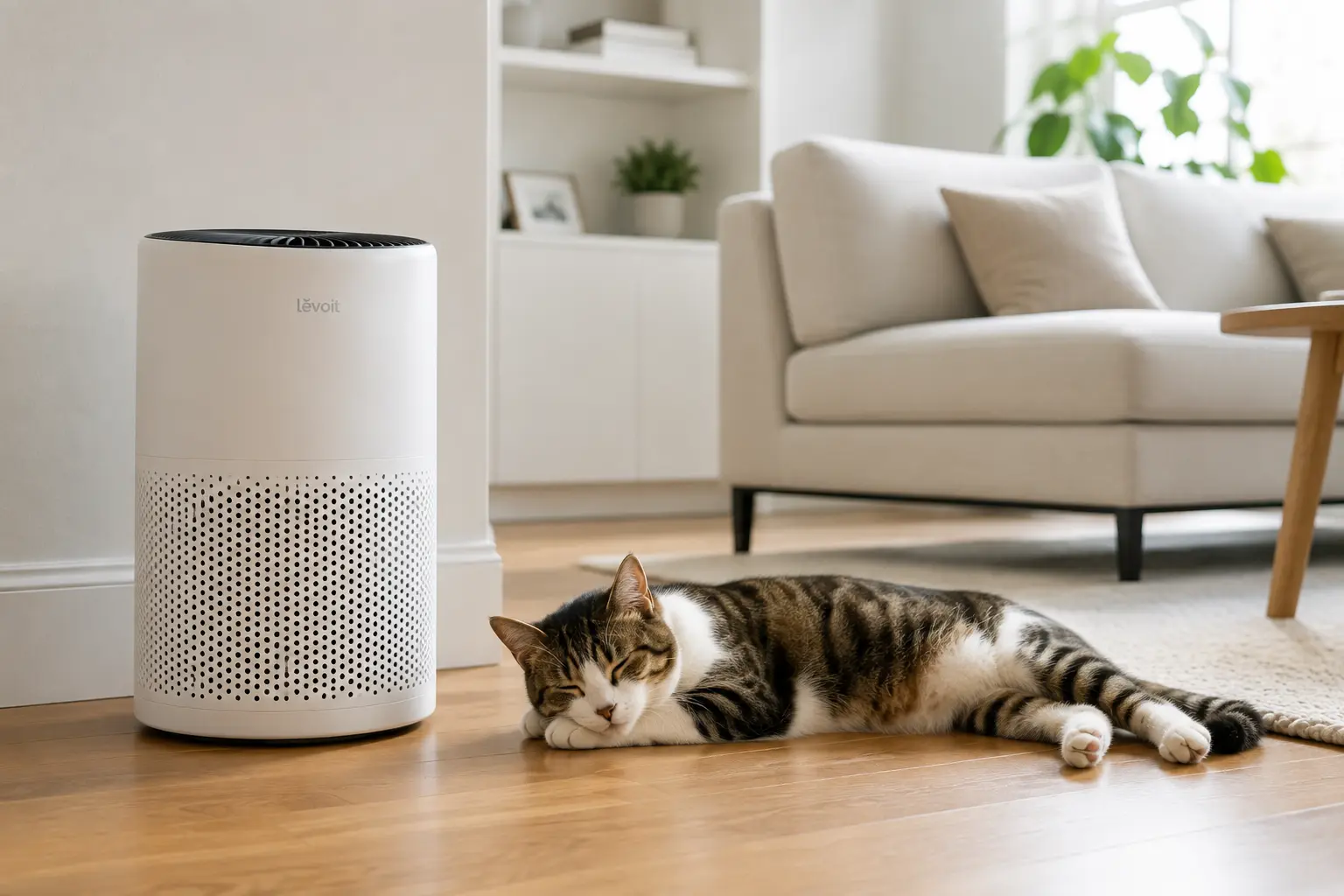
2. Deploy Continuous True HEPA Air Filtration
Place True HEPA air purifiers in main living areas and your bedroom. True HEPA filters capture 99.97% of airborne particles down to 0.3 microns, continuously capturing buoyant dander.
3. Implement Comprehensive Hygiene Protocols
Wash bedding weekly in hot water heated to at least 130°F (54°C) to denature secretoglobin proteins, and follow our complete blueprint on how to reduce cat allergens at home.
Decision Aids: Using Quizzes and Matchers Wisely
Interactive tools can help you narrow down your search, but they should serve as shortlisting aids rather than medical proof:
- Take our allergy quiz to assess your symptom severity and risk profile.
- Use our interactive breed matcher tool to explore breeds that match your lifestyle and allergy considerations.
- Review realistic long-term living strategies in our guide on can I keep my cat if I'm allergic.
Key Takeaways
- Test the Individual Cat: Fel d 1 output varies drastically from cat to cat; breed labels alone do not guarantee individual compatibility.
- Visit Multiple Times: Immune reactions can be delayed by 24 to 48 hours; schedule multiple visits across different days to verify tolerance.
- Avoid Pre-Medicating: Do not take antihistamines before trial visits, as masking symptoms prevents an honest immune assessment.
- Utilize Foster-to-Adopt: Fostering provides a safe, low-risk way to evaluate real-world living conditions before finalizing an adoption.
- Beware of "100% Hypoallergenic" Claims: Any breeder or seller claiming a cat is guaranteed allergen-free is misrepresenting feline biology.
Sources
- Bonnet, B., et al. (2018). "An update on molecular cat allergens: Fel d 1 and beyond." Allergy, Asthma & Clinical Immunology, 14, 7.
- American Academy of Allergy, Asthma & Immunology (AAAAI). "Pet Allergy Avoidance, Management, and Clinical Assessment."
- American College of Allergy, Asthma & Immunology (ACAAI). "Cat Allergy Diagnosis and Testing Protocols."
- The Humane Society of the United States. "Adopting a Cat When You Have Allergies: Foster and Trial Guidelines."